What does it mean for an artwork to be recognized as cultural heritage?
In this issue, we examine what it means for an artwork to be recognized as artistic heritage. In some cases, even when held in private collections, these works cannot leave the country without government authorization. We explore how this designation is defined, the legal framework that regulates it, and the conditions it introduces into the art market.
In Mexico, certain artworks are subject to a legal regime that not only restricts their export but also establishes controls over their movement, exhibition, and transfer. These restrictions apply to both public institutions and private collections and stem from their recognition as cultural assets.
Gisela Madrigal Olivares
Legal Framework
Mexico’s Federal Law on Archaeological, Artistic and Historic Monuments and Zones establishes the current framework for the protection of artistic heritage. Enacted in 1972, the legislation defines artistic monuments as works of significant aesthetic value whose importance is recognized within the history of art in the country (Art. 33). This designation is granted by the Federal Executive and is based on criteria such as representativeness, association with a particular artistic movement, or degree of innovation.
Once classified under this category, artworks become subject to regulations governing their movement. Their transfer—particularly outside the country—may require authorization, and in certain cases permanent export is not permitted. These provisions apply both to works held by public institutions and to pieces within private collections.
The designation of artistic monument may apply to the body of work of specific artists, recognizing their significance within the history of art in Mexico. This recognition does not automatically prohibit works from leaving the country, but rather establishes a system of oversight regarding their circulation.
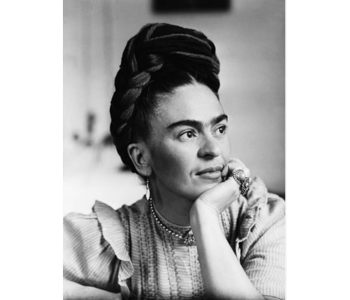
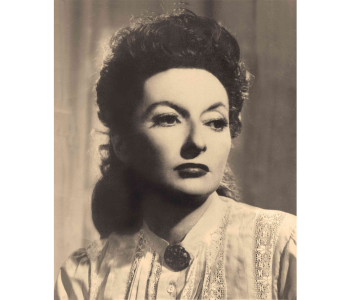
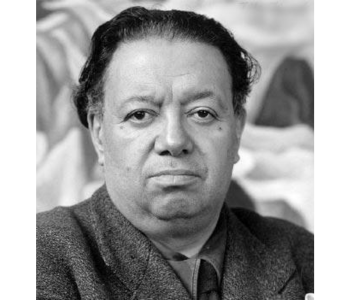
This form of protection has been applied to artists including Gerardo Murillo (Dr. Atl), David Alfaro Siqueiros, José Clemente Orozco, Frida Kahlo, Diego Rivera, Remedios Varo, and Saturnino Herrán. In these cases, the protection applies to their artistic production as a whole, although the specific conditions governing movement may vary depending on each work and its location.
The Gelman Collection
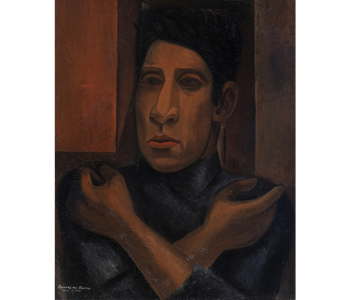
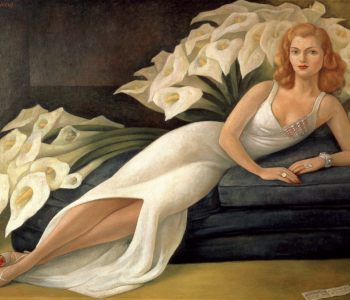
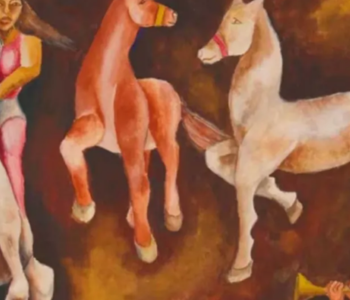
One case that illustrates this framework is the Gelman Collection. Natasha Zahalka and Jacques Gelman assembled it over more than five decades, between 1941 and 1998, creating one of the most important private collections of twentieth-century art. The collection was divided into two major groups: the European collection, donated in 1998 to the Metropolitan Museum of Art in New York, and the Mexican collection, which includes works by artists such as Frida Kahlo, Diego Rivera, David Alfaro Siqueiros, María Izquierdo, and Rufino Tamayo.
After nearly twenty years without being exhibited in Mexico, a selection of 68 works is now on view at the Museo de Arte Moderno in the exhibition Modern Narratives: Iconic Works from the Gelman Collection, open through July 19, 2026. Approximately 30 of these works are believed to carry artistic monument designation, a condition that affects their mobility. Following this presentation, the collection will continue to circulate through temporary loan arrangements, subject to the conditions established by cultural heritage regulations.
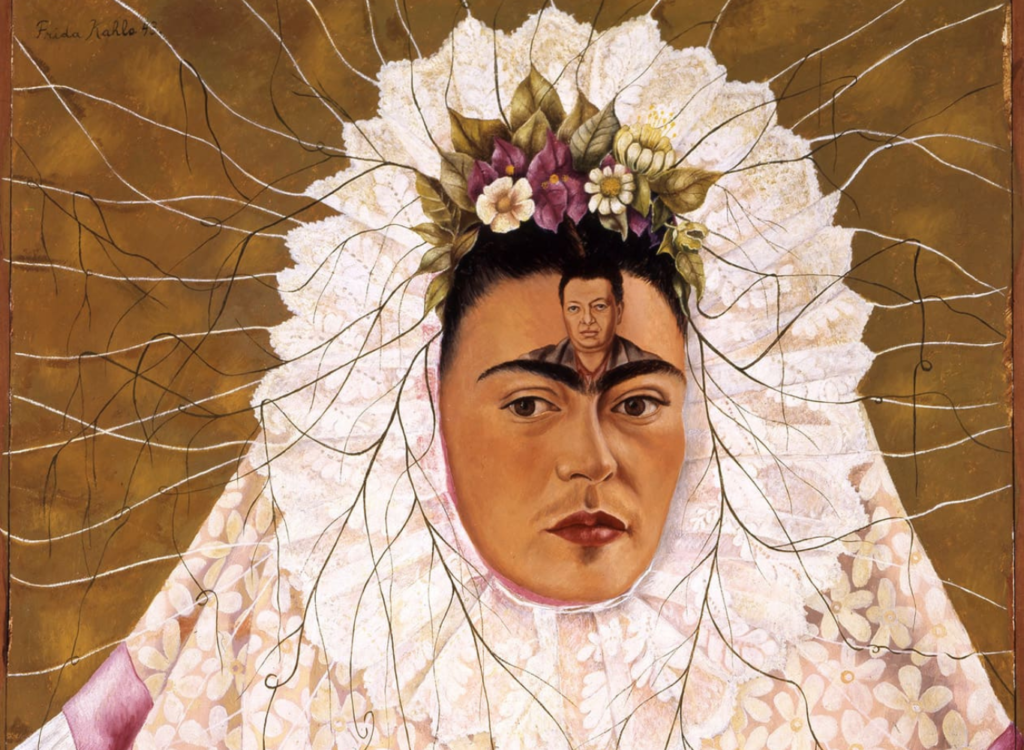
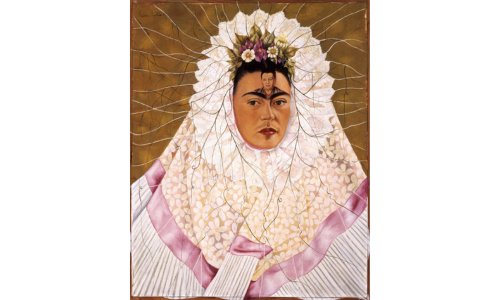
Among the works included in the collection are Siqueiros by Siqueiros (1939) by David Alfaro Siqueiros; Horses at the Circus (c. 1940) by María Izquierdo; Portrait of Natasha Gelman (1943) by Diego Rivera; and Diego in My Thoughts (1943) by Frida Kahlo. These works reflect the significance of the collection, although heritage status is determined on an individual basis.
International Context
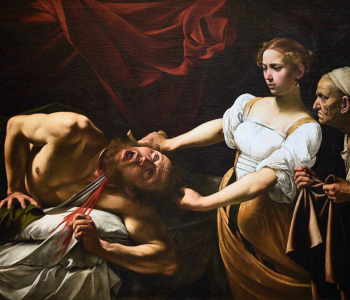
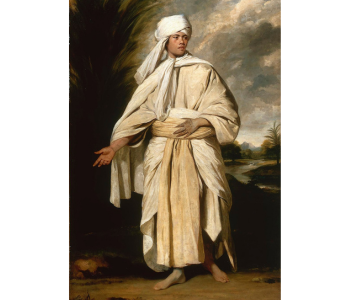
Legal frameworks that restrict the movement of certain artworks are not unique to Mexico. Many countries have implemented similar mechanisms to protect objects considered culturally significant.
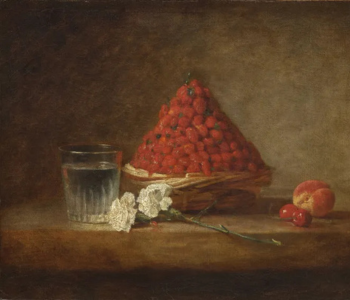
In France, the government may designate an artwork as a trésor national (national treasure). Under this classification, the work cannot permanently leave the country, and the state retains a right of first refusal. A recent example is Basket of Wild Strawberries (1761) by Jean Siméon Chardin, whose export was blocked in 2022 to allow its acquisition by the Louvre.
In Italy, cultural heritage legislation establishes that works more than seventy years old may require authorization for export. This system is regularly applied to works by artists such as Caravaggio and Amedeo Modigliani, whose artworks have been retained or subjected to export restrictions when considered of national interest.
In the United Kingdom, a review system exists for works of outstanding cultural significance. One example is Portrait of Omai (c. 1776) by Joshua Reynolds, whose export was temporarily deferred to allow British institutions the opportunity to acquire it before authorizing its departure.
In this context, the value of an artwork is determined not only by its market price, but also by its institutional recognition and its position within the history of art. These factors directly influence its mobility, availability, and long-term permanence.
For collectors, this introduces specific conditions. Acquiring an artwork does not necessarily imply unrestricted control over it; export may be limited, and its circulation may be governed by a legal framework that can even affect its liquidity.
In such cases, the art market operates according to a different logic—one in which cultural value defines both the possibilities and the limits of the artwork.
Featured
On View
Ingrid Buendía

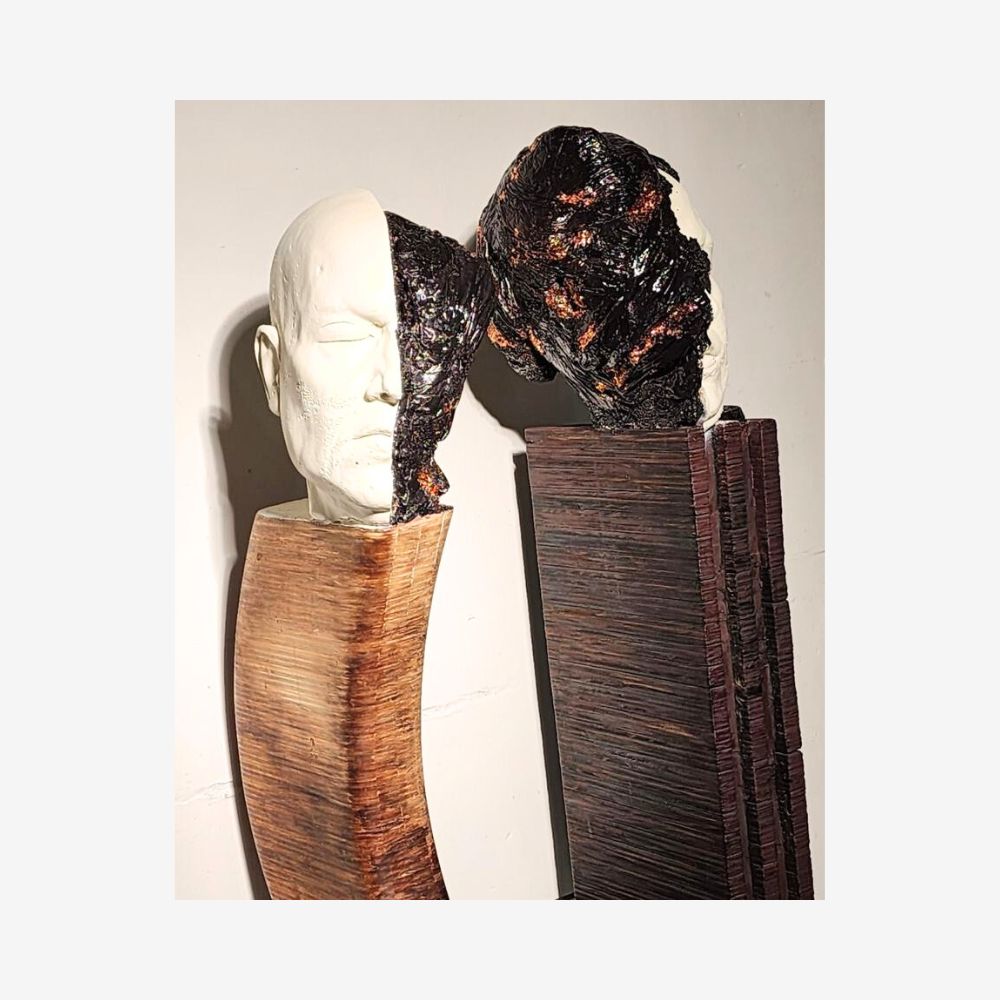
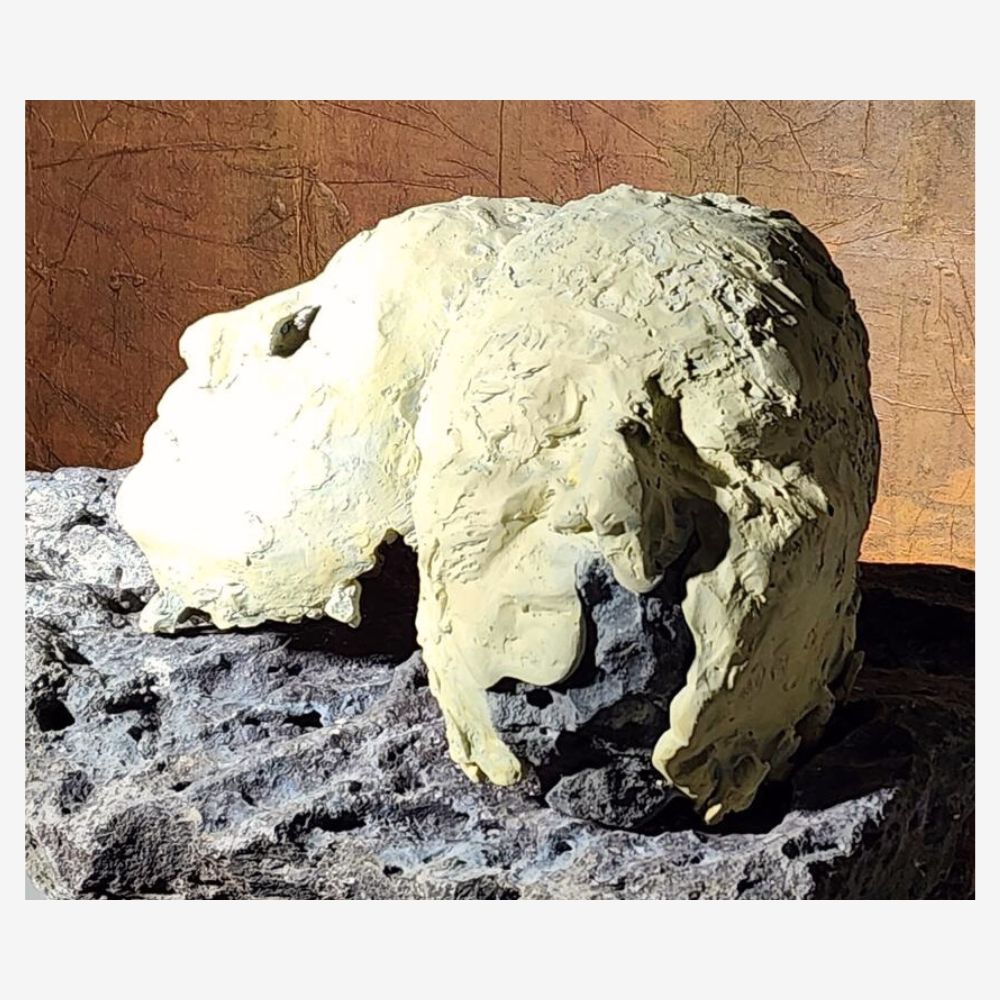
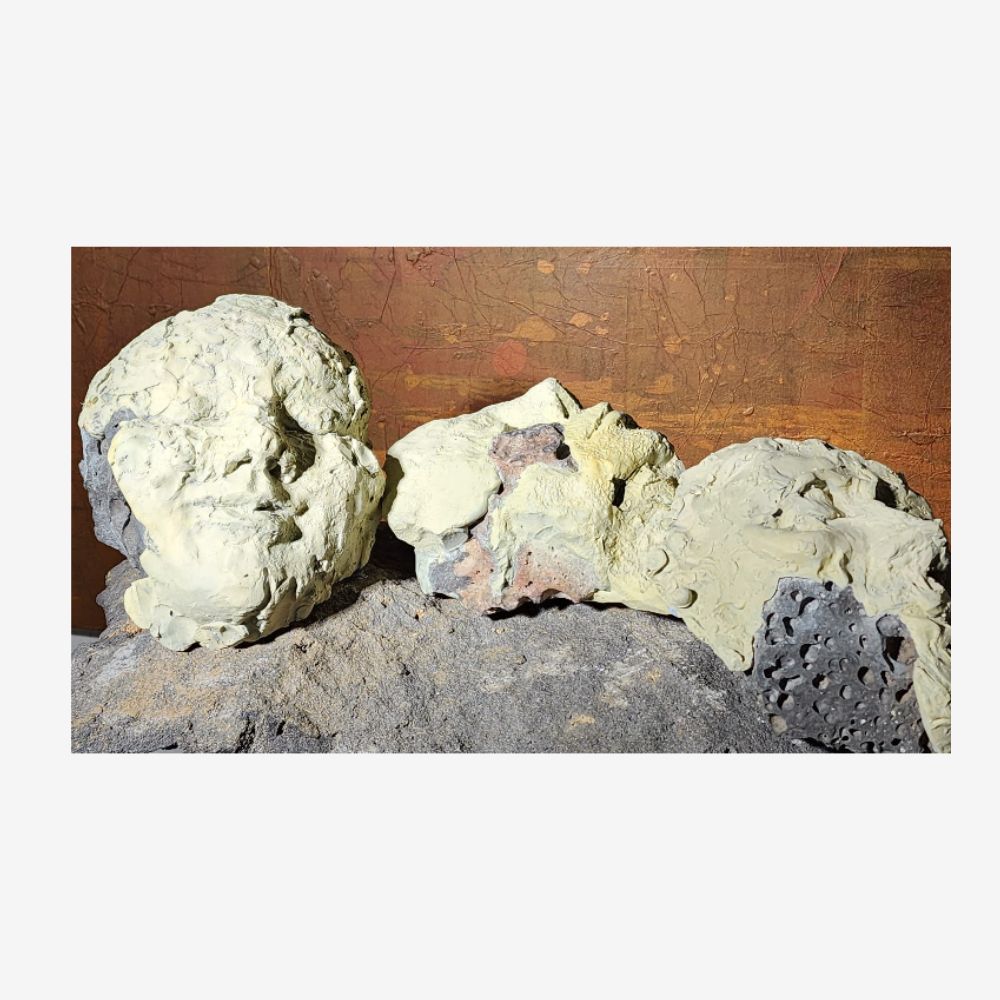
Mexican sculptor Ingrid Buendía, originally from the State of Mexico, centers her practice on carving and shaping materials as a means of reflecting on memory, time, and the transformation of the earth. Through a direct and tactile engagement with matter, her work transforms rocks and fragments into narratives that engage with geological processes and the changes brought about by human intervention, questioning our relationship with territory and the environment.
She holds a Master’s degree in Arts and Design from UNAM and has presented solo and group exhibitions in Mexico and internationally, participating in projects and exhibitions in Japan, Serbia, the Czech Republic, and South Korea. She has led the production of monumental bronze sculptures for Tulum International Airport and collaborated on large-scale projects at Felipe Ángeles International Airport (AIFA). Since 2016, she has directed Estudio Pyshke, a space through which she integrates artistic practice, cultural management, and editorial production.