Cases that revealed how value is constructed, validated, and attributed to an artwork.
Gisela Madrigal Olivares
In this issue, we revisit four episodes that left a lasting mark on the art market over the past decades: a record-breaking sale, an artwork partially destroyed during an auction, a long-running forgery operation, and the closure of one of New York’s oldest galleries.
Each case involves auction houses, dealers, collectors, and institutions. Together, they offer insight into the roles of attribution, provenance, and validation in the construction of value.
Salvator Mundi
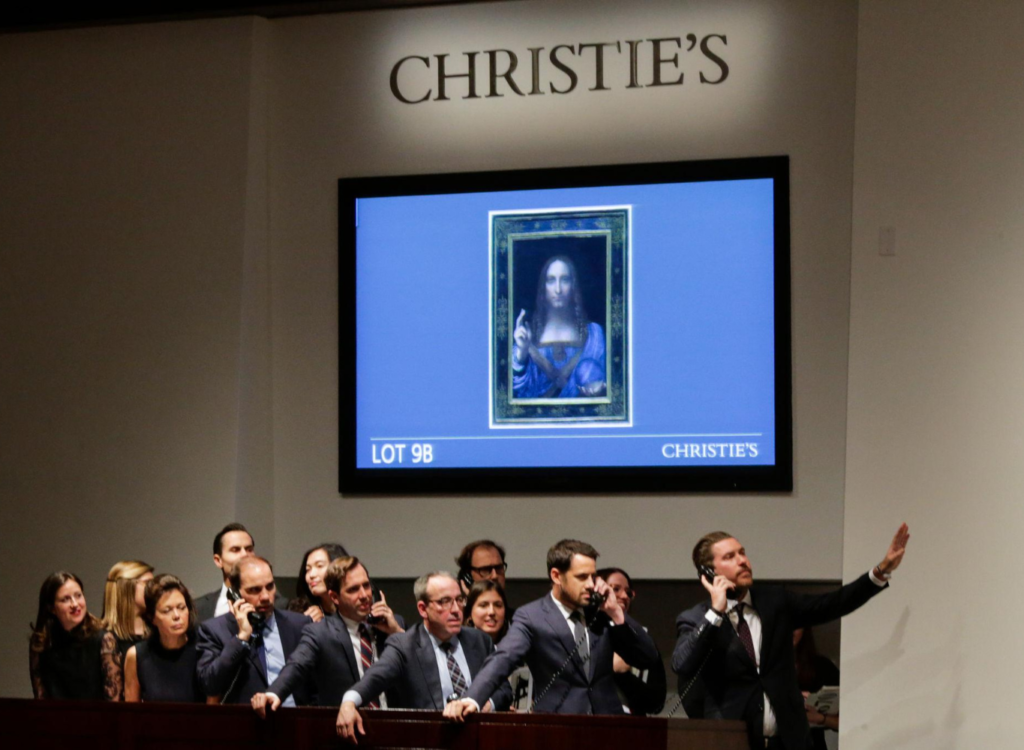
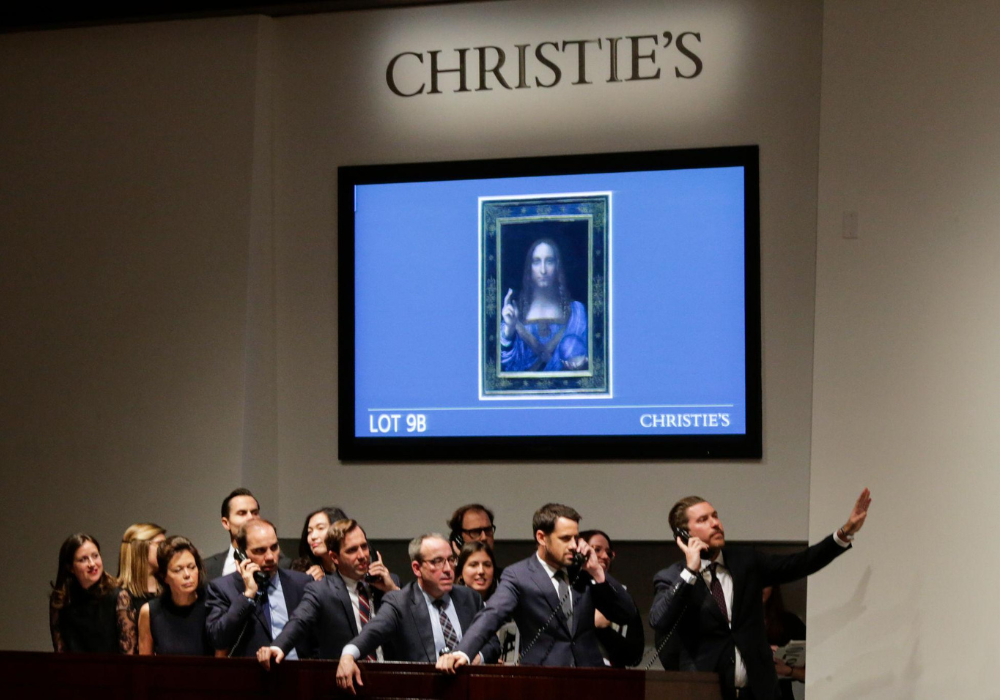
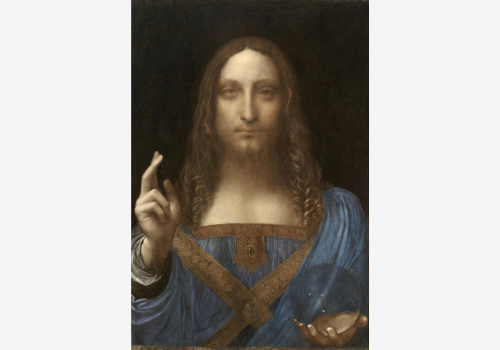
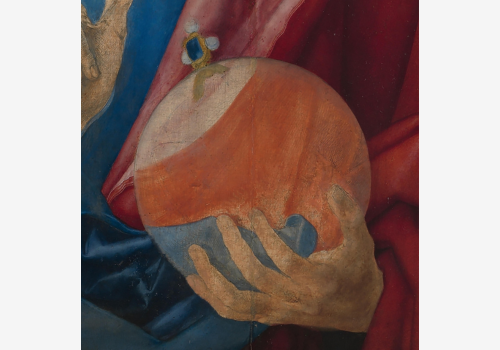
Attributed to Leonardo da Vinci, Salvator Mundi was sold at Christie’s New York in 2017 for $450.3 million, the highest price ever paid for a work of art.
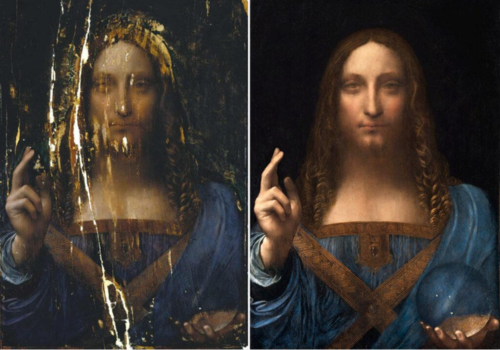
The painting resurfaced in the United States in 2005 and sold for less than $10,000. It was restored by Dianne Modestini and reintroduced to the market years later. In 2013, dealer Yves Bouvier acquired the work for approximately $80 million and resold it that same year to collector Dmitry Rybolovlev for $127.5 million.
Rybolovlev later initiated legal proceedings, alleging that Bouvier had presented himself as an intermediary advisor while acting as the seller. The disputes unfolded across several countries and, over time, many were either withdrawn or resolved through confidential settlements.
In 2017, Rybolovlev consigned the painting to Christie’s. The auction house marketed it as “the last da Vinci” available in private hands and included it in a contemporary art sale. The final buyer has been linked to Mohammed bin Salman. Since then, the work has not been publicly exhibited.
Girl with Balloon
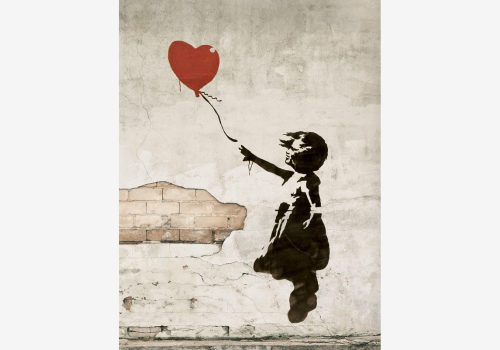
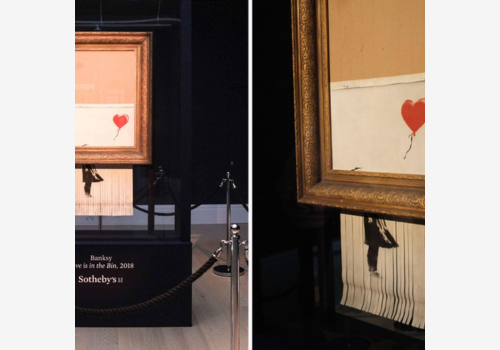
A work by British artist Banksy, Girl with Balloon was auctioned at Sotheby’s London in October 2018 for £1.04 million.
Moments after the hammer fell, a hidden mechanism embedded in the frame partially shredded the artwork. The device had been secretly installed by the artist himself. The work was subsequently authenticated by Pest Control and retitled Love is in the Bin.
The buyer chose to keep the piece. In 2021, it returned to auction at Sotheby’s and achieved £18.6 million.

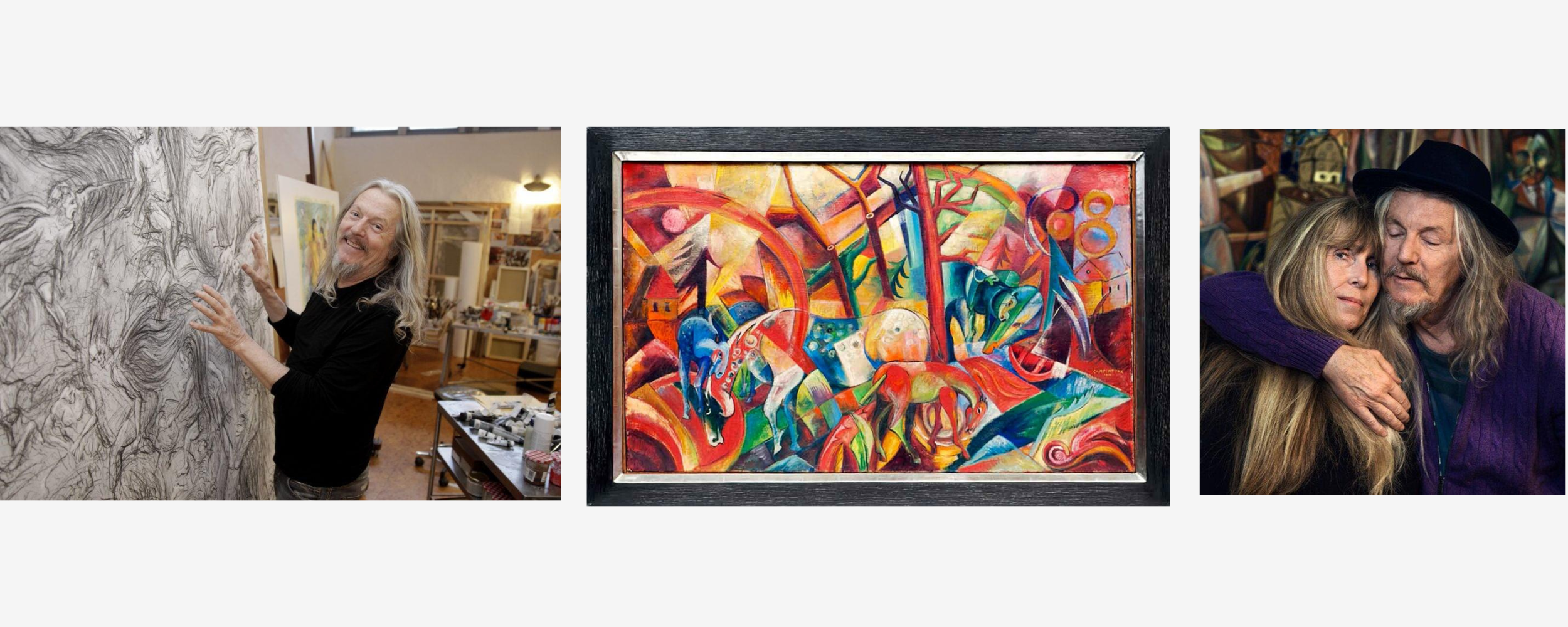
Wolfgang Beltracchi
German art forger active between the 1980s and the 2000s. Together with his wife, Helene Beltracchi, he produced works attributed to artists including Max Ernst, Heinrich Campendonk, and Fernand Léger.
The paintings circulated through galleries and auction houses across Europe, supported by carefully constructed provenance narratives. In 2008, a painting attributed to Campendonk underwent scientific analysis, which revealed the presence of titanium white pigment—a material that did not exist during the artist’s lifetime.
In 2010, Wolfgang Beltracchi was arrested in Germany. In 2011, he was sentenced to six years in prison. Sales linked to the forged works amounted to tens of millions of euros.
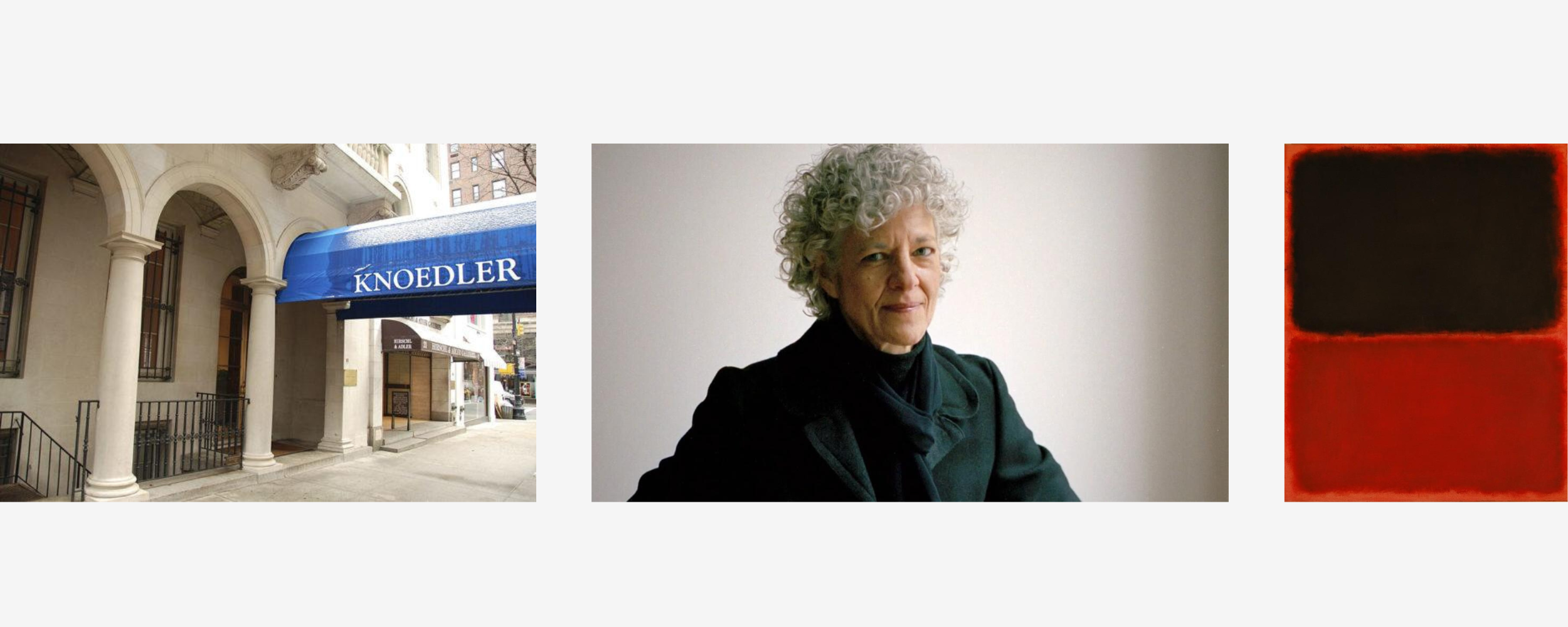
Knoedler Gallery
Knoedler & Company, founded in 1846, closed its doors in 2011 following an investigation into the sale of forged artworks.
Between 1994 and 2009, the gallery sold more than thirty paintings attributed to artists including Mark Rothko, Jackson Pollock, and Robert Motherwell. The works were supplied by dealer Glafira Rosales, who claimed to represent a private collector.
The paintings were in fact created by Pei-Shen Qian in Queens, New York. Sales exceeded $80 million and led to multiple lawsuits against both the gallery and its director, Ann Freedman.
These cases illustrate how value is constructed within the art market: through attribution, provenance, intermediary decisions, and the validation processes that support them. When any of these elements comes into question, value ceases to be self-evident and becomes subject to review.
In this context, certification and clarity regarding an artwork’s origin become essential. Knowing who created a work, when it was made, and under what circumstances is not merely supplementary information—it forms part of the structure that sustains its value over time.
At the same time, the value of an artwork extends beyond formal validation. It is also shaped by the concept, process, and story that surround it. Understanding this context allows for a more direct relationship with the work and a richer understanding of what it represents.
Featured
On view
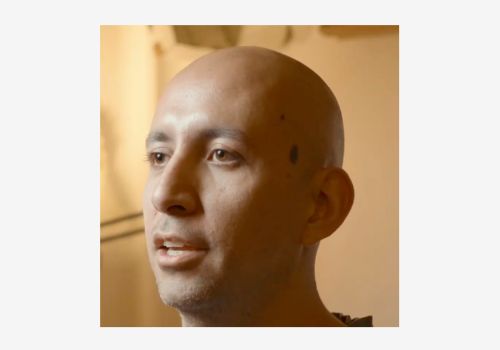
Aleph Escobedo
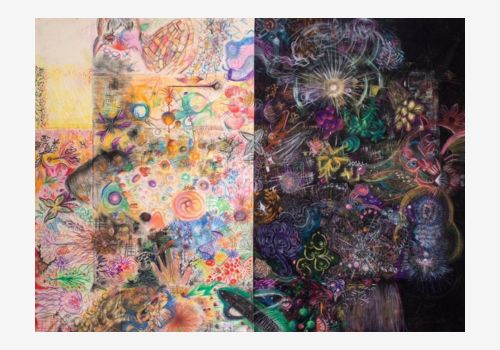
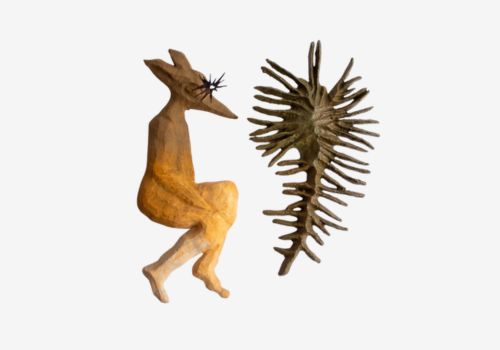
Contemporary Mexican artist from Nayarit whose practice investigates the relationship between natural and cultural semiology, exploring how meaning is constructed through the symbolic connections between humans and nature. Working across a wide range of media—including drawing, painting, sculpture, installation, and video—he creates visual narratives that invite deep interpretation. Drawing from diverse cultural traditions and scientific tools, his work challenges and expands our understanding of reality, placing the natural and the constructed in constant dialogue.