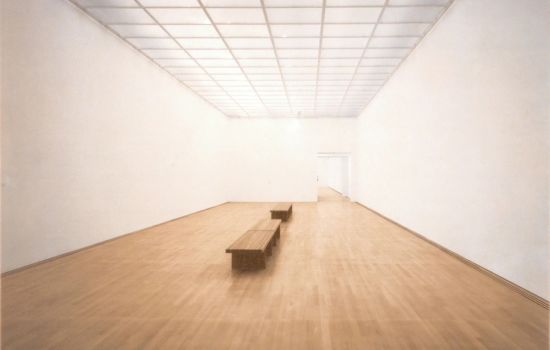
In this issue, we explore the evolution of contemporary art exhibition spaces: from the crowded salons of the nineteenth century and the emergence of the modern “white cube” in the twentieth, to the ways art is now being integrated into hotels, restaurants, and hybrid cultural spaces. What for decades remained concentrated within galleries and museums has increasingly become part of new cultural experiences shaped by generational shifts, digital platforms, and a hospitality industry that is ever more connected to curatorship and contemporary collecting.
Gisela Madrigal Olivares
From the Salon to the White Cube
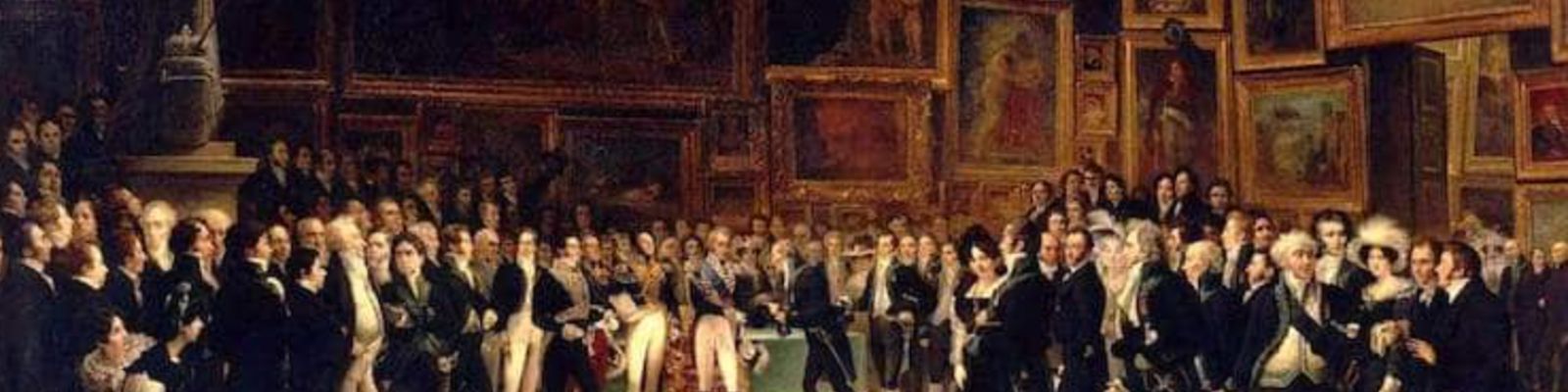
Long before contemporary galleries existed, art was exhibited in a very different way.
Throughout the eighteenth and nineteenth centuries, the Paris Salon was the most important art exhibition in Europe. Organized by the French Academy of Fine Arts, the Salon determined which artists received recognition and which remained outside the official art scene. Works were hung side by side, from floor to ceiling, in densely packed rooms where paintings and sculptures competed for attention. Rather than focusing on a single artwork, visitors moved through vast halls filled with images, conversation, and crowds.
By the late nineteenth century, artists such as Claude Monet and Edgar Degas began breaking away from this model by organizing independent exhibitions outside the Salon, helping to usher in the era of modern art.
Decades later, modernism introduced a radically different approach to exhibiting art. Institutions such as New York’s MoMA developed cleaner, more minimalist spaces designed to focus attention entirely on the artwork itself.
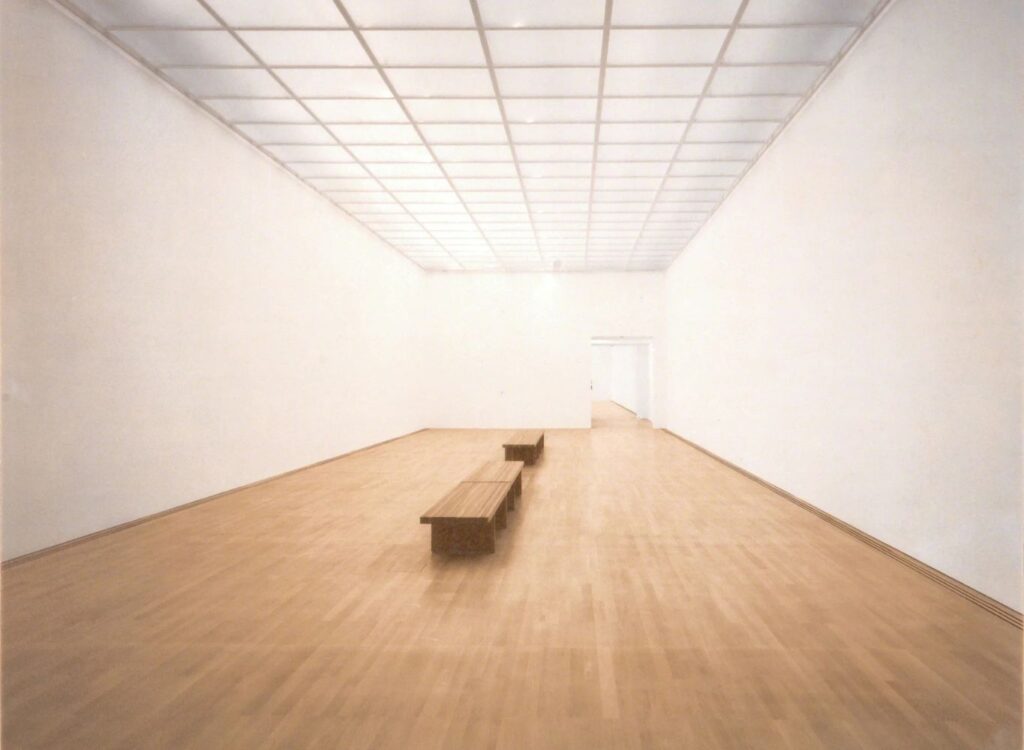
This model eventually evolved into what became known as the white cube, a term popularized in 1976 by critic Brian O’Doherty. White walls, neutral lighting, and the absence of distractions: the space itself was meant to disappear so the artwork could be experienced in its purest form.
Yet what was once considered revolutionary eventually became the subject of criticism. Scholars and critics argued that the white cube was never entirely neutral; it also functioned as a space of legitimization, exclusivity, and cultural power.
Today, contemporary art appears to be entering a new phase.
Art Beyond the Gallery
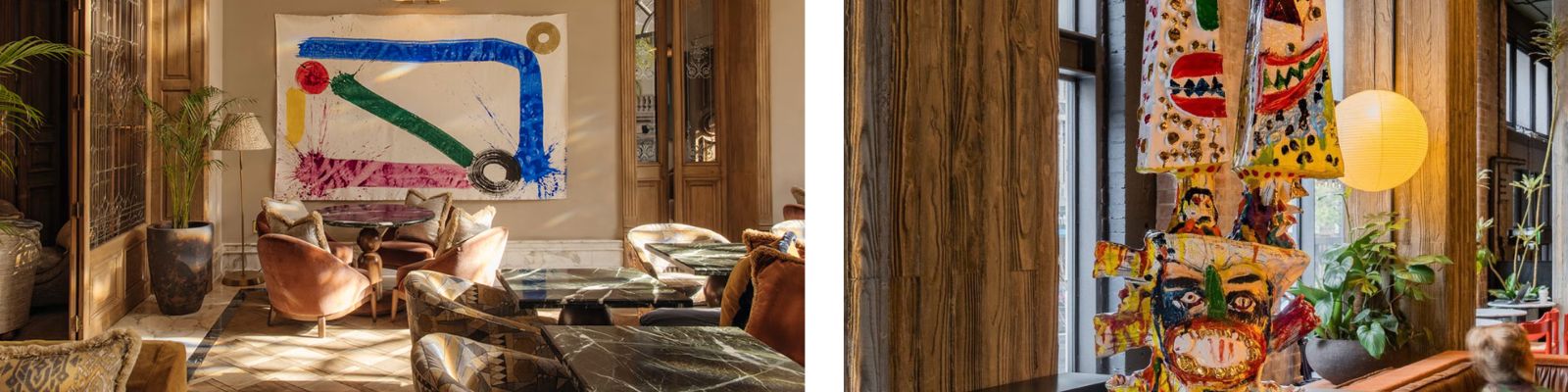
The expansion of art into hotels, restaurants, concept stores, and hybrid spaces reflects a broader shift in the way culture is experienced.
According to the Art Basel & UBS Survey of Global Collecting 2025, conducted with more than 3,100 international collectors, Millennials and Gen Z primarily discover art through digital platforms, social media, and experiences that feel more accessible and integrated into daily life.
The study also shows that younger generations are increasingly drawn to formats where art intersects with design, hospitality, and lifestyle, moving away from traditional models often perceived as more formal or intimidating.
This shift coincides with the rise of the experience economy, a concept developed by B. Joseph Pine II and James H. Gilmore, which explains how industries increasingly compete through memorable experiences rather than products or services alone.
Within this context, art is no longer something people simply visit. It has become part of the spaces they inhabit every day.
Hospitality and the Rise of Curated Experiences
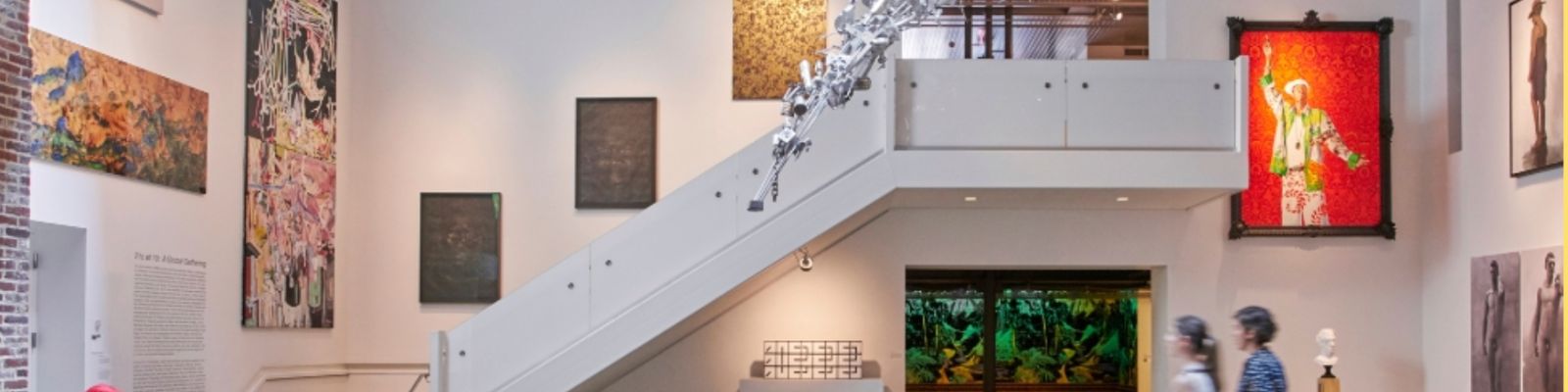
In recent years, hotels, restaurants, and members’ clubs have increasingly integrated curatorial programs into their core identity. Art has moved beyond decoration to become a tool for cultural differentiation and brand building.
One concept frequently used to analyze this phenomenon is the artification of hospitality, derived from the theory of artification developed by sociologists Nathalie Heinich and Roberta Shapiro. The term describes how industries traditionally outside the art world adopt curatorial strategies and cultural experiences to create symbolic and emotional value.
One of the most prominent examples is Soho House. Since 2009, the brand has developed an art program that now includes more than 10,000 works displayed across its locations worldwide. Each house incorporates artists connected to the local creative scene, integrating art into guest rooms, restaurants, and communal spaces.
Other projects have followed similar paths. 21c Museum Hotel pioneered a hybrid model combining a contemporary art museum and a hotel in the United States, while Ace Hotel made art, music, and design central to its cultural identity.
More than exhibiting art, these spaces build entire experiences around it.
Younger generations are also transforming the way contemporary art is discovered and acquired. According to Artsy’s Art Market Trends 2025 report, based on responses from more than 1,600 participants across over 60 countries, both collectors and galleries increasingly value digital channels, transparency, and accessible experiences within the art market.
Social media has accelerated this transformation. Today, aesthetic experiences no longer occur exclusively within museums or art fairs; they also circulate through design, gastronomy, architecture, travel, and hospitality. Contemporary art has begun to integrate naturally into industries that once seemed entirely separate.
Fractal Art Spot: Beyond the Gallery
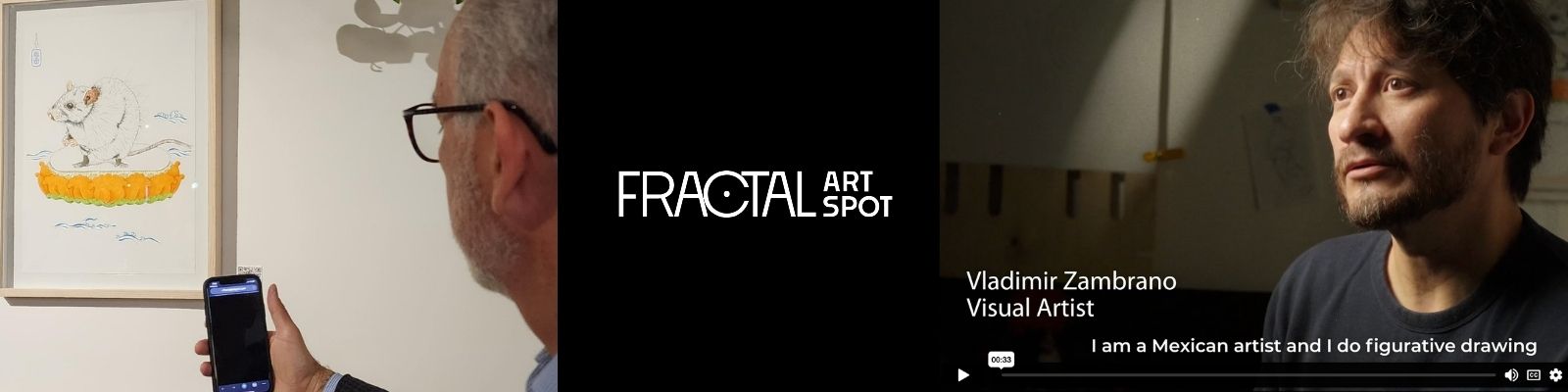
Fractal brings contemporary art into spaces where people gather, discover, and create everyday experiences: restaurants, hotels, and cultural venues that integrate art as part of their identity.
Each exhibition begins with a close curatorial process that includes studio visits, direct dialogue with artists, and a careful selection of works tailored to each space. The goal is not simply to display artworks, but to create cultural experiences with a distinct identity.
The model also incorporates a unique element within the market: every artwork includes a QR code that links to a short video in which the artist shares the story, process, and inspiration behind the piece. The experience becomes more personal, immersive, and human.
This format creates new connections between audience, artist, and venue, while transforming hotels, restaurants, and commercial spaces into living cultural destinations.
Fractal integrates curatorship, storytelling, and technology into an experience designed to bring contemporary collecting to new audiences.
Featured
Artist
Josué González Garín
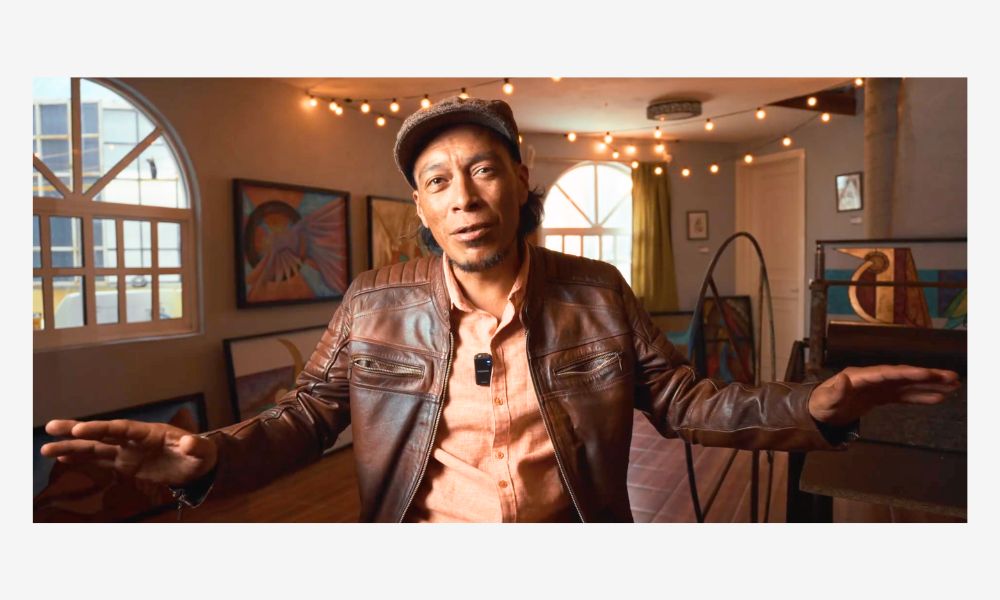
His work transforms emotions and lived experiences into symbols of movement, vitality, and transformation.
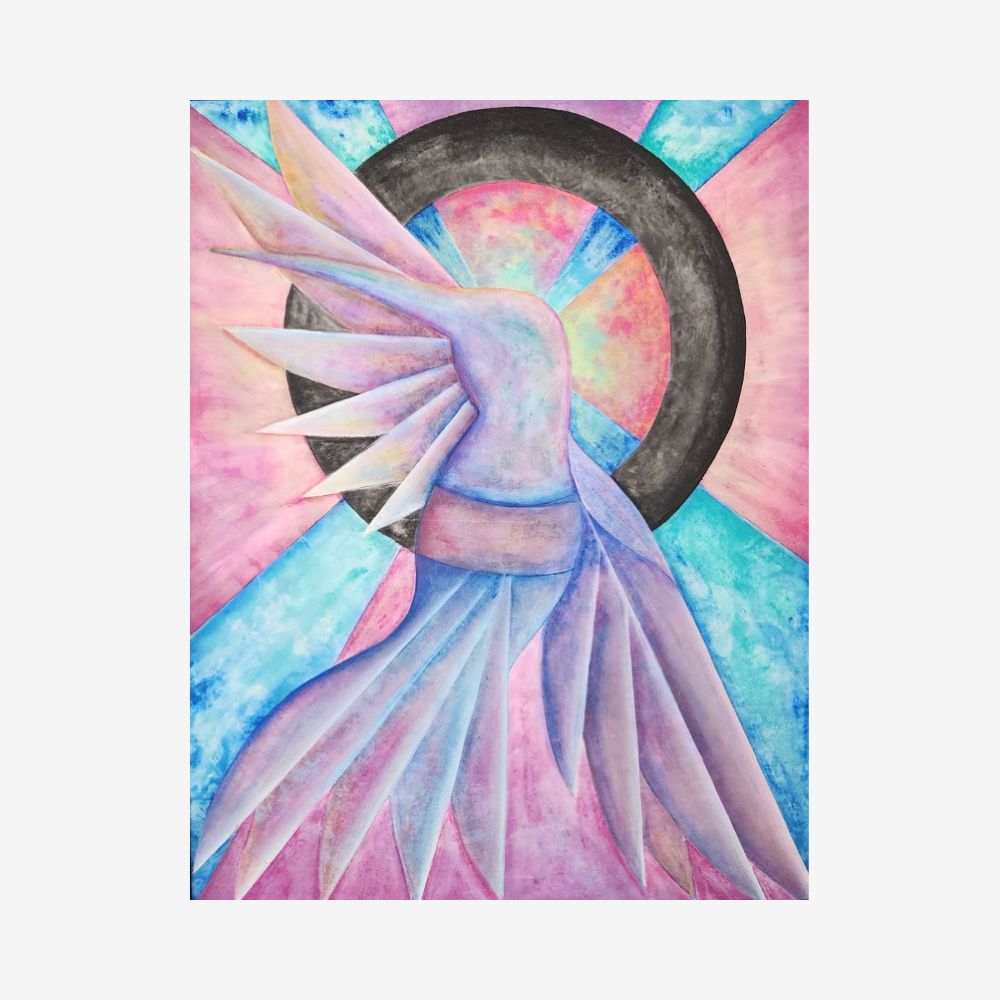
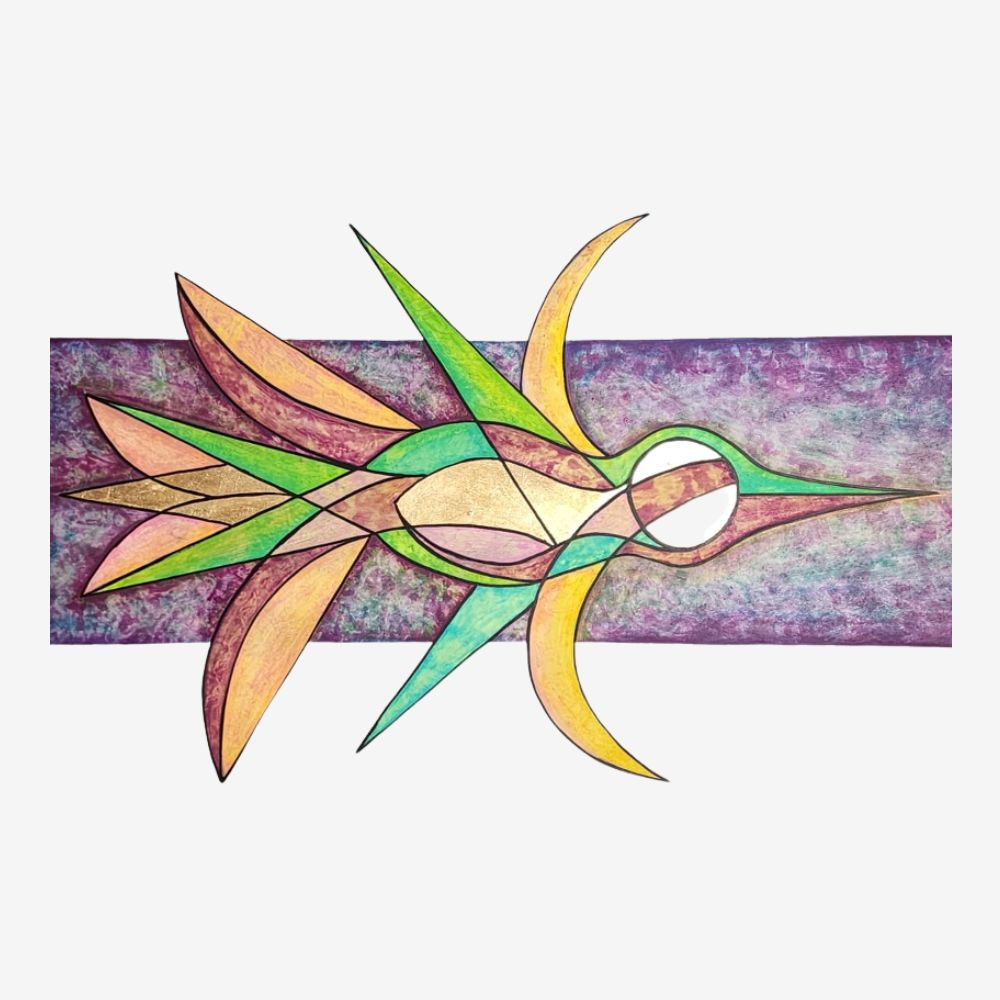
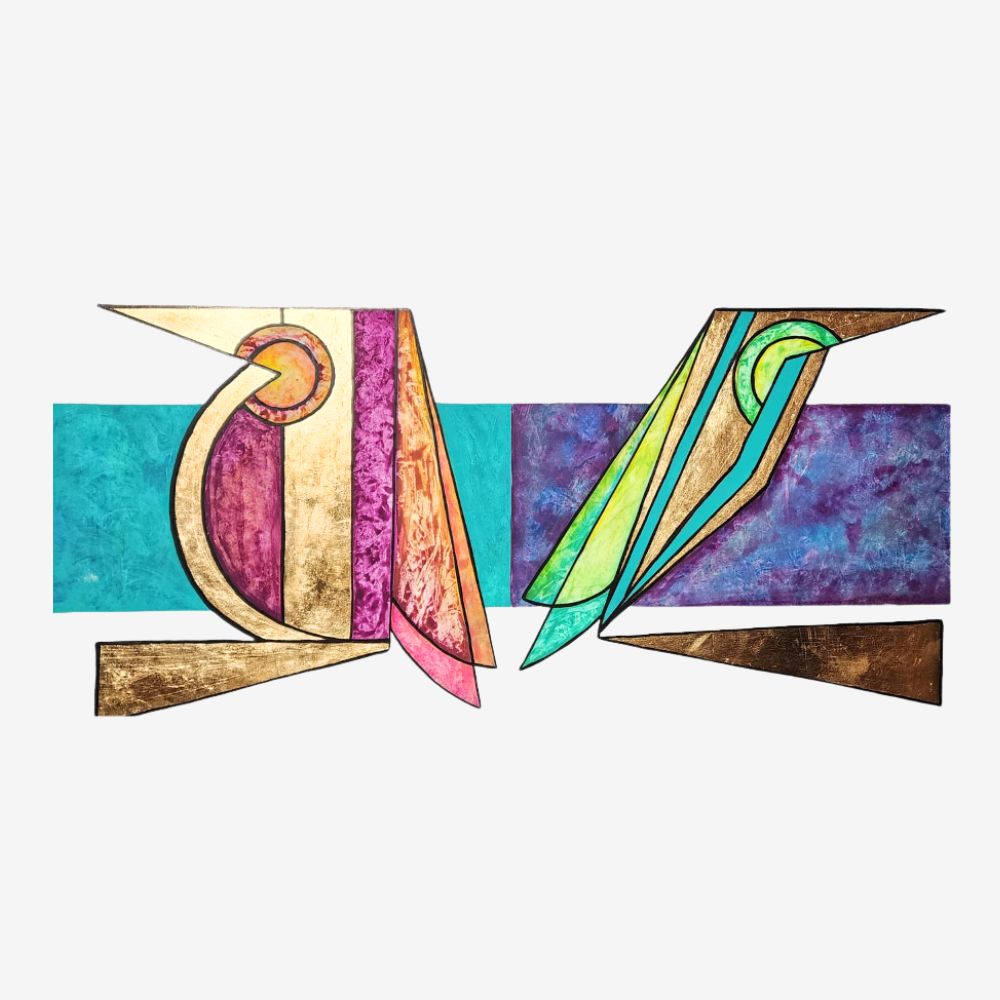
Mexican visual artist Josué González Garín uses art as a means of communication, translating emotions, personal experiences, and inner reflections into a distinctive visual language. His work is built through geometric forms, vibrant color palettes, and a wide range of materials and surfaces, creating dynamic compositions that convey energy, movement, and resilience.
Inspired by the hummingbird, he has made the bird a recurring protagonist throughout his practice—a symbol of change, adaptation, and constant transformation.
He has participated in numerous solo and group exhibitions across Mexico, including presentations at Centro Cultural Cuajimalpa, the Academy of San Carlos, Galería Marc Chagall in Veracruz, Faro de Oriente, and the National Polytechnic Institute, as well as cultural venues throughout Texcoco, Pachuca, and Atitalaquia.
He is the founder and director of Casa Estudio Colibrí in Real del Monte, a creative space dedicated to artistic production, collaboration, and the promotion of contemporary art.