In this issue, we explore how the size of the global art market is measured and why its value is often described as an estimate. More than half of the global art market operates through private galleries and dealers, where sales figures are rarely disclosed. The remainder comes primarily from auctions, one of the few sectors of the market where results can be publicly accessed and analyzed. So how is the true size of the industry estimated?
Gisela Madrigal Olivares
The Challenge of Measuring the Art Market
Each year, The Art Basel & UBS Art Market Report estimates the size of the global art market. In 2025, it was valued at approximately USD 59.6 billion. Yet this figure does not represent a complete record of every transaction worldwide. Rather, it is an approximation built from the information available.
Unlike many other industries, the art market does not operate with a centralized reporting system or a universal obligation to disclose transactions. Some participants generate public data, while others operate almost entirely in private. This structural difference is one of the primary reasons why the art market is measured through incomplete information.
The Public Side of the Market
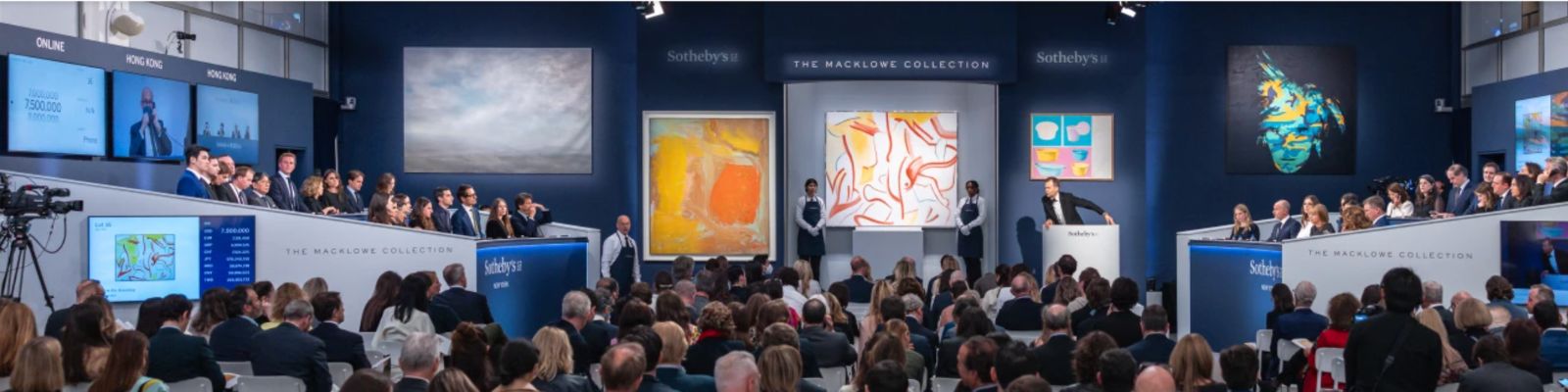
The most visible information within the art market comes primarily from the secondary market—the resale of artworks that have previously circulated within the market—particularly through public auctions.
Auction houses such as Sotheby’s, Christie’s, and Phillips publish sale results, estimates, final prices, and sell-through rates after each auction. Because these events are public, scheduled, and highly documented, their results can be reviewed, compared, and analyzed over time.
Unlike private gallery sales, auctions operate as open-market events: catalogues are publicly available, estimates are published in advance, bidders are registered, and final results are disclosed. This structure has historically made auctions one of the most reliable sources of verifiable information within the art market.
As a result, auctions have enabled the development of analytical tools and historical datasets that now serve as essential references for collectors, researchers, and specialized firms.
The Private Side of the Market
A significant portion of the art market operates beyond public records.
Unlike auction houses, galleries are not required to disclose sales figures, negotiated prices, or discounts applied to individual transactions. As a result, much of the activity within the primary market—the first sale of an artwork directly from the artist or gallery—never enters public databases.
The same applies to many transactions conducted through advisors, private dealers, and international art fairs, where sales often remain confidential between buyer and seller.
Even major auction houses conduct private sales outside the traditional auction format. These transactions can involve multimillion-dollar artworks whose prices and conditions are rarely made public.
In many cases, confidentiality reflects wealth management considerations, strategic decisions, or collector discretion. As a consequence, some of the most significant transactions in the global art market never appear in public reports, databases, or open records.
How Market Figures Are Built

In the absence of a centralized reporting system, the art market is studied through methodologies that combine multiple sources of information.
Cultural economist Clare McAndrew, founder of Arts Economics, has been one of the leading figures in shaping the methodology currently used to estimate the size of the global art market.
Her models integrate public auction results, gallery surveys, regional analysis, sector-specific behavior, and private estimates to construct statistical approximations of the international market. Market figures are therefore not derived from a single comprehensive record of all transactions, but from analytical models developed using the information available.
This explains why the industry relies on the term estimated market value. Art market figures do not represent a complete record of all sales worldwide; rather, they are methodological estimates built from available data.
Transparency and New Market Tools
Over the past two decades, the art market has developed new digital tools for analysis, traceability, and access to information.
Artnet has created a database that allows users to consult historical auction results and analyze price behavior over time. The platform functions as a key research tool for the secondary market and has expanded access to information that was once largely confined to specialized circles.
At the same time, Artsy has increased the international visibility of galleries, artists, and contemporary artworks. Through its digital marketplace, it has contributed to making parts of the primary market more accessible and globally visible.
Unlike many other global industries, the art market continues to operate between transparency and confidentiality.
Although there are now more analytical tools, databases, and digital platforms than at any other point in history, a substantial share of global transactions remains outside the public record.
This lack of visibility not only makes it difficult to measure the market with precision; it also shapes how information circulates, how value is constructed, and how access is concentrated within the industry.
It is one of the defining paradoxes of the contemporary art market: even in an economy increasingly driven by data, much of the art market continues to operate beyond public view.
Featured
Artist
Pamela Pimentel | Pammky
Her work explores color and transparency as vehicles for emotion and inner experience.
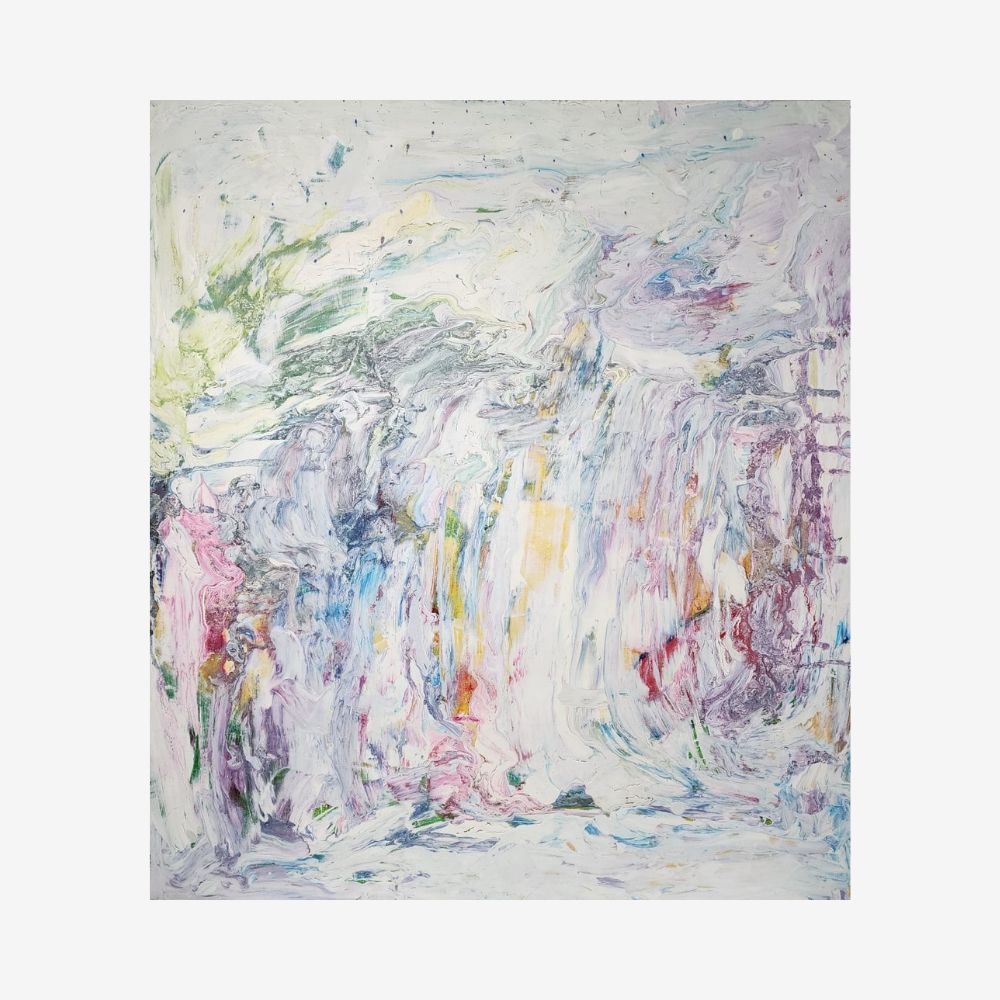
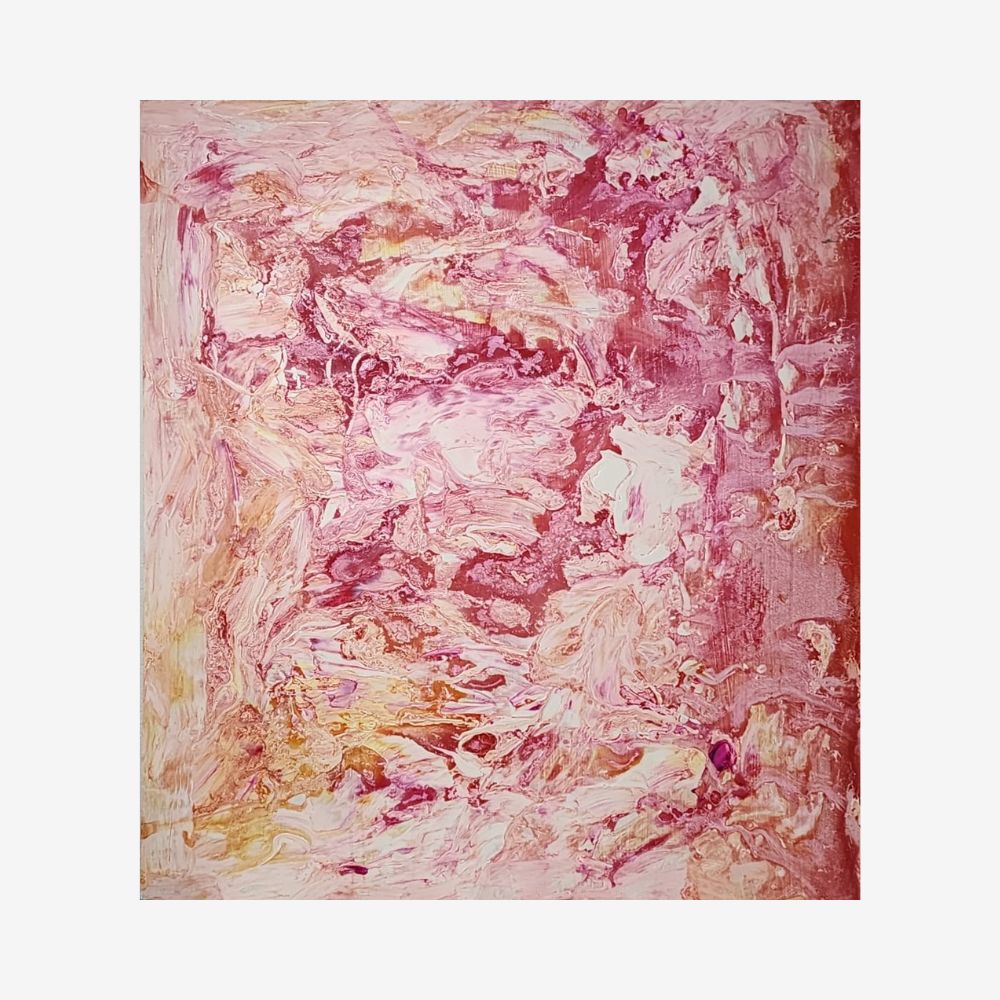
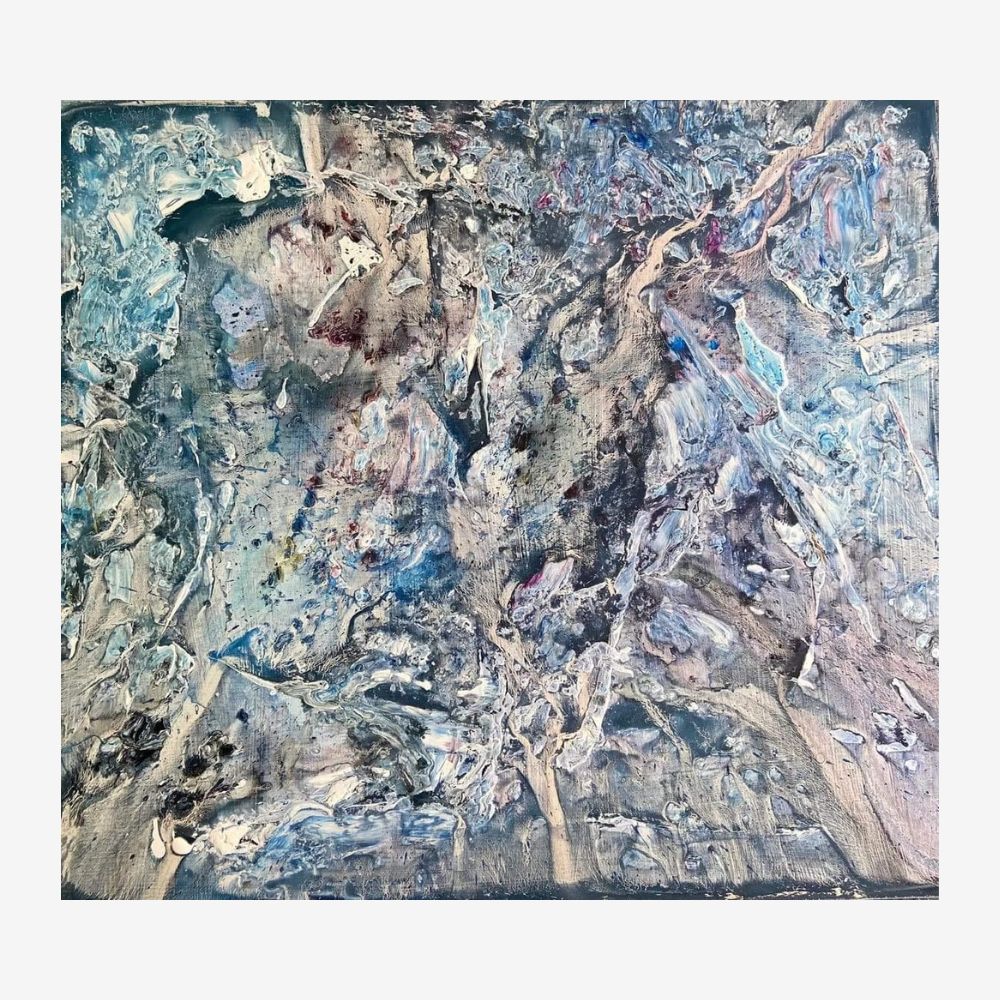
Mexican visual artist Pamela Pimentel, originally from Mexico City, focuses primarily on painting and the exploration of color, transparency, and organic, fluid forms. Through an abstract visual language, her works invite moments of contemplation, encouraging an emotional connection rooted in sensory perception. Color, texture, and the fluidity of materials become tools through which she expresses her inner world, creating experiences that are both intimate and open to interpretation.
Her artistic practice was shaped during her studies in Visual Arts at the University of Guanajuato, where experimentation with techniques, materials, and textures became fundamental to the development of her visual language. She has participated in university exhibitions and independent collective projects, including an exhibition at Casa Creativa México in 2023 dedicated to highlighting the work of women artists.
Her practice explores themes such as being, memory, the subconscious, and the intangible, investigating different ways of perceiving and understanding human existence.