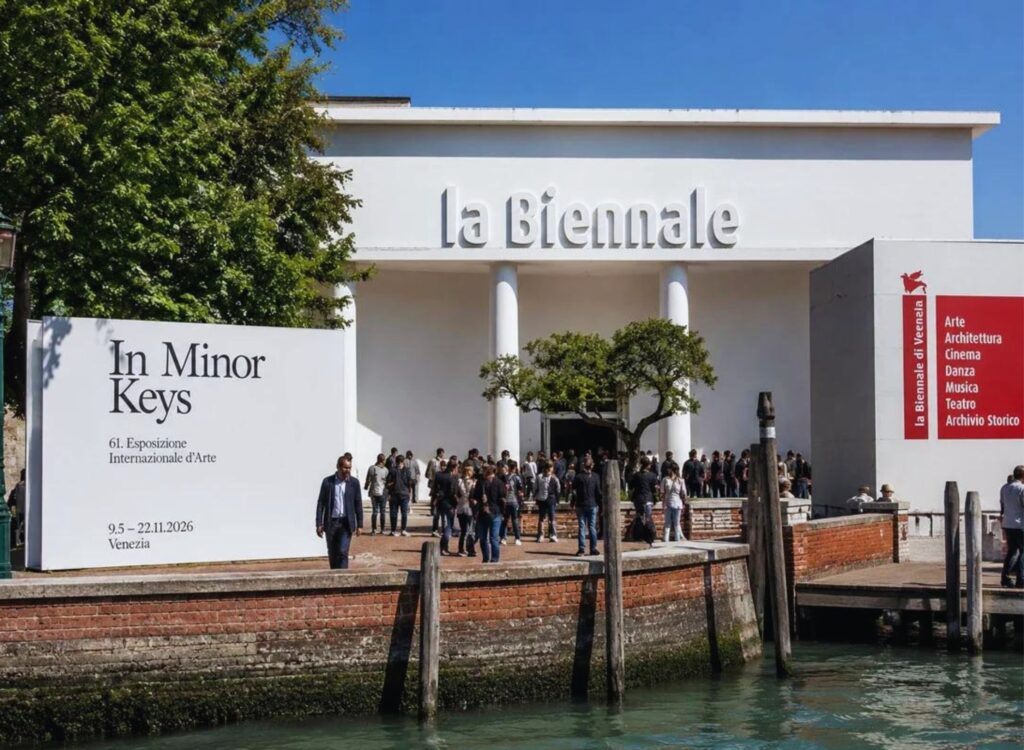
In 2026, for the first time in the history of the Venice Art Biennale, its top awards were decided by the public rather than a jury of experts. Just days before the opening, all five members of the international jury resigned amid controversy surrounding the participation of Russia and Israel, after announcing their intention to exclude both countries from award consideration.
On November 25, three days after the Biennale closed, the winners of the Visitors’ Lions were announced. These awards were introduced to replace the traditional jury prizes through a public vote. American artist Nick Cave and the India Pavilion were selected as the winners.
What began as an institutional crisis sparked a broader discussion about how prestige is built in the art world. What happens when artistic recognition, traditionally bestowed by experts, is placed in the hands of exhibition visitors?
Gisela Madrigal
November 27th, 2026
The Venice Biennale Awards
Founded in 1895 and held every two years, the Venice Art Biennale is one of the most prestigious events in contemporary art. Receiving one of its awards can mark a turning point in an artist’s career.
Its programme comprises two main exhibition components associated with the awards: the International Exhibition, which brings together artists selected by the curator of each edition, regardless of nationality, and the National Participations, through which each country presents its own artistic and curatorial vision. Both are spread across the Giardini, the Arsenale and other venues throughout Venice.
Among its highest honours are the Golden Lions, awarded to the best artist in the International Exhibition, the best National Participation and in recognition of lifetime achievement. The jury also awards a Silver Lion to an outstanding young artist and may grant special mentions.
The winners are typically announced during the opening of the Biennale, but this year the art community had to wait more than six months to discover who would receive the awards. With the introduction of the Visitors’ Lions, the categories for best artist and best National Participation were retained, while the Silver Lion and special mentions went unawarded.
The Public’s Choices
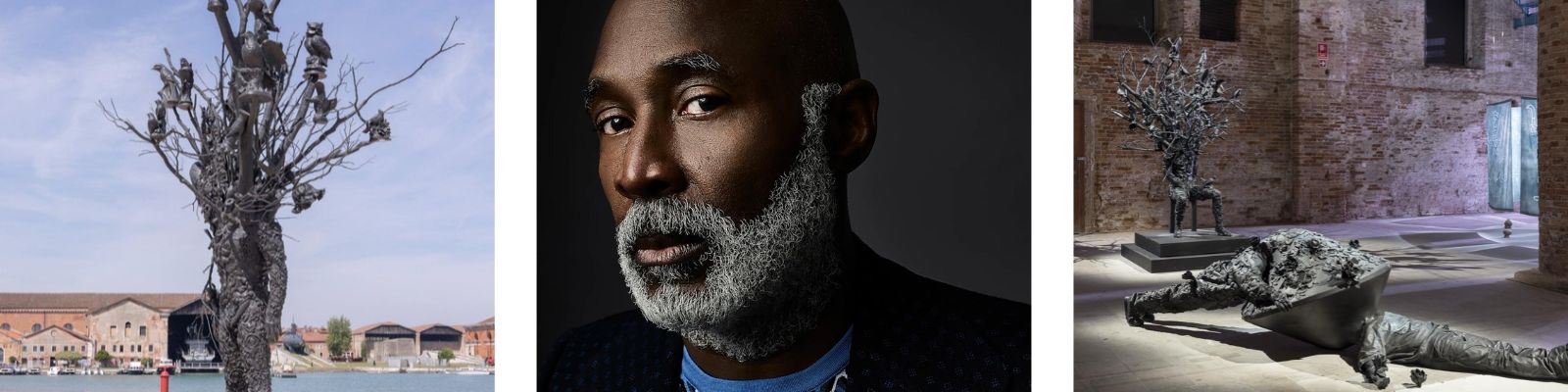
Nick Cave | Best Artist in the International Exhibition
Internationally renowned for his Soundsuits, wearable sculptures made from textiles, found objects and a variety of other materials, the American artist presented Two Points in Time – At Once, a body of seven works reflecting on the stages of grief. Among them was Amalgam (Origin), a monumental bronze sculpture installed at the Arsenale.
India | Best National Participation
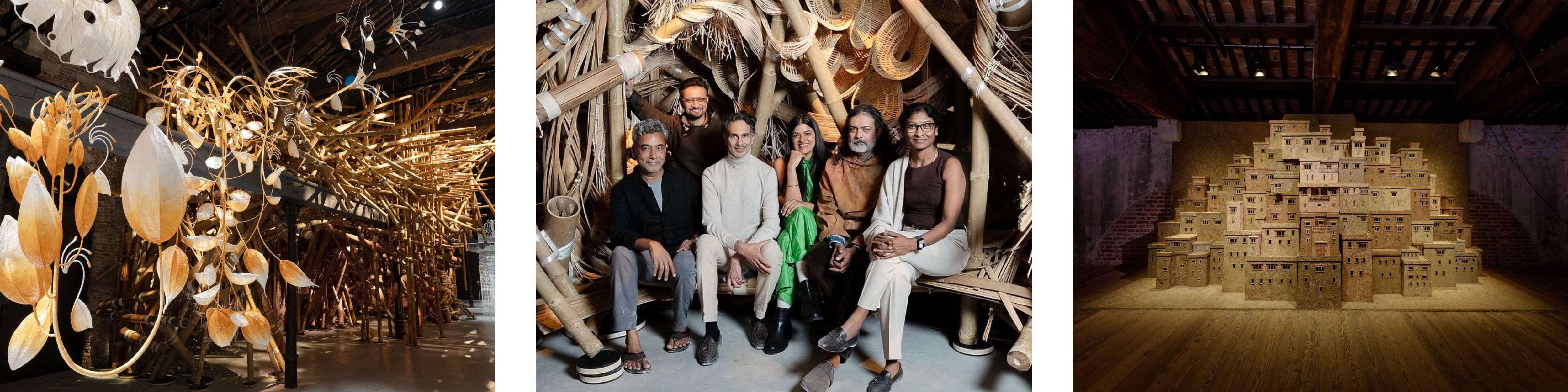
Curated by Amin Jaffer, the exhibition Geographies of Distance: Remembering Home brought together five artists: Alwar Balasubramaniam, Sumakshi Singh, Ranjani Shettar, Asim Waqif and Skarma Sonam Tashi. Through a range of artistic practices, the exhibition explored home as an ever-evolving concept shaped by memory, territory and a sense of belonging.
How Did We Get Here?
- April 23. The jury announces that it will exclude from award consideration participants representing countries whose leaders face charges before the International Criminal Court, a decision affecting Russia and Israel.
- April 30. All five jury members resign. The Biennale announces that the awards will be decided by visitors.
- May 9. The 61st edition opens to the public, and voting begins.
- During the Biennale. More than 100 artists and national delegations request to withdraw from award consideration in solidarity with the jury.
- November 22. The exhibition closes, and the voting period comes to an end.
- November 25. The winners of the inaugural Visitors’ Lions are announced.
This edition brought together 109 participants in the International Exhibition, 100 National Participations and more than 714,000 visitors. To be eligible to vote, visitors were required to attend both the Giardini and the Arsenale, even though 46 National Participations were located outside these venues. This geographical distribution, combined with the lack of publicly available information on voter turnout and the breakdown of results, raises questions about how representative the awards were.
Beyond the controversy that gave rise to them, the Visitors’ Lions introduced public preferences as a criterion for institutional recognition. The experience invites us to reconsider who shapes artistic prestige and what conditions of access, visibility and transparency should underpin these mechanisms of artistic legitimisation.
- References
- Associated Press. (2026, November 25). Venice Biennale visitors award top prizes to Nick Cave and India after jury quit.
- (2026, April 30). Dimite el jurado de la Bienal de Venecia en plena crisis por pabellones de Israel y Rusia.
- El País. (2026, April 24). El jurado de la Bienal de Arte de Venecia deja fuera de los premios a Rusia e Israel.
- El País. (2026, April 30). Terremoto en la Bienal de Venecia: el jurado dimite en bloque y los premios los decidirá el público.
- El País. (2026, May 11). La mitad de los artistas de la Bienal de Venecia renuncian a optar a los premios creados tras la dimisión del jurado.
- Indulge Express. (2026, November 26). India wins top honour at Venice Biennale 2026 for pavilion exploring the idea of home.
- La Biennale di Venezia. (2026, May 29). Voting Procedures for the Visitors’ Lions.
- La Biennale di Venezia. (2026, October 29). Two Visitors’ Lions have been established for the Biennale Arte 2026.
- La Biennale di Venezia. (2026, November 22). The Biennale Arte 2026 by Koyo Kouoh closes on a high note, with 714,015 visitors.
- La Biennale di Venezia. (2026, November 25). Visitors’ Lions of the Biennale Arte 2026.
FEATURED
Visualise Art in Your Space:
Discover Our New Artwork Preview Tool
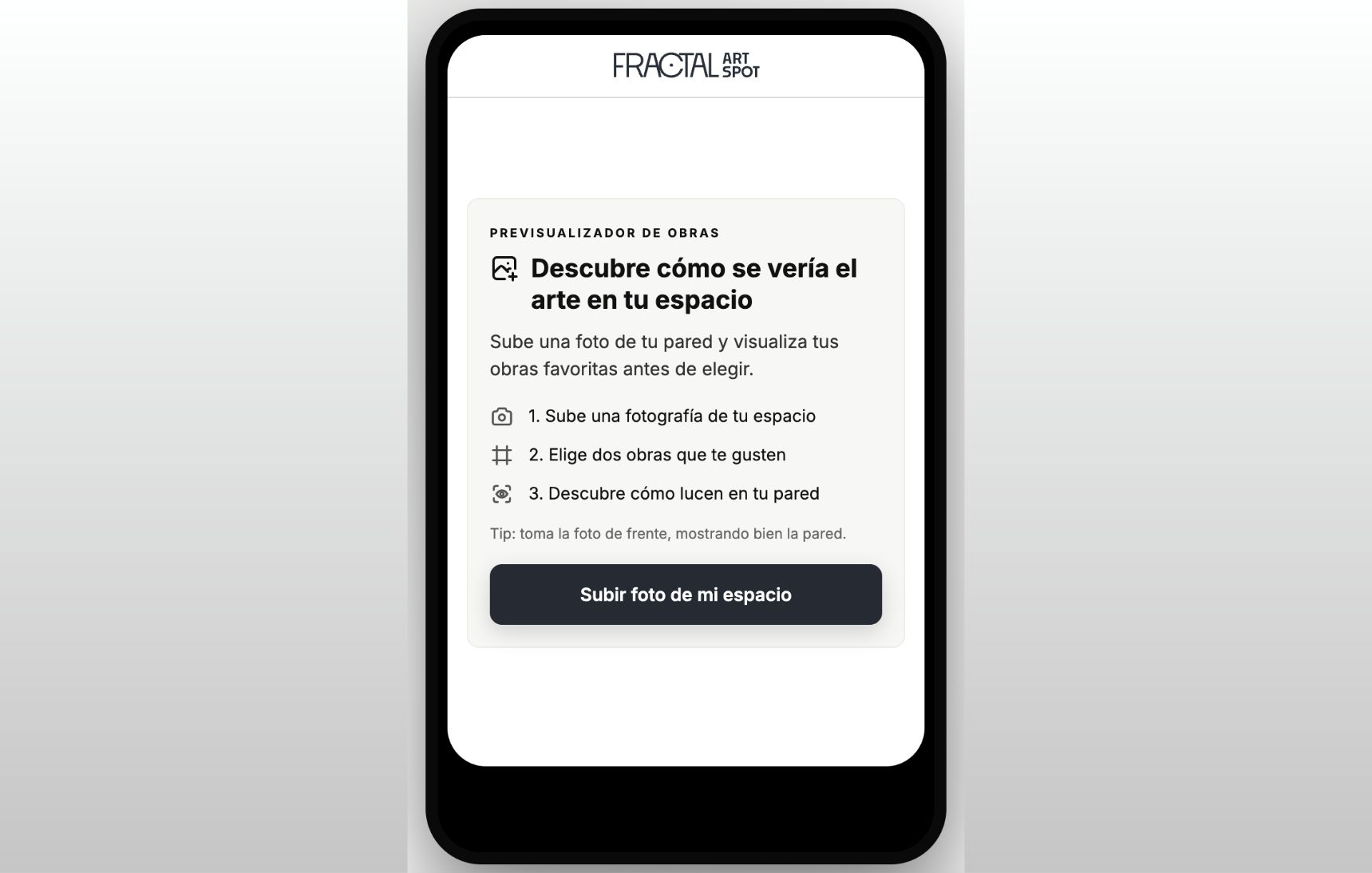
At Fractal Art Spot, we are delighted to introduce our new artwork preview tool, designed to help you discover how pieces from our collection would look in your own space before making a purchase.
Finding the perfect artwork is also about discovering how it can transform a space and give it a character of its own. Now you can explore these possibilities with ease.
Simply upload a photograph of your wall, select two of your favourite artworks and see how they would look in your space.
Explore, visualise and discover your next work of art.