The process, the context, and the artist’s voice are redefining collecting.
Gisela Madrigal Olivares
In this inaugural issue, we open a conversation around contemporary collecting: how it is evolving, how it takes shape, and what it means today to engage with an artwork beyond its acquisition.
Access to art has never been broader, and collecting continues to expand through new forms of engagement with artworks, increasingly integrating technology. The growth of international art fairs, digital platforms, and emerging exhibition formats has multiplied the ways audiences encounter art.
Within this context, we explore an approach to collecting that places the relationship with the artist and an understanding of the artwork and its creative process at its center.
Art and value
The global art market recorded a moderate recovery in 2025, reaching approximately $59.6 billion, representing annual growth of 4% after two consecutive years of contraction (Art Basel & UBS Art Market Report, 2026).
Interest in art as an investment has grown alongside the expansion of the market. Art has become part of certain wealth strategies as an asset class with its own dynamics in terms of liquidity, costs, and value formation. This places it in a distinct position within the broader investment landscape.
Globally, the recent recovery has been driven in part by activity in the high-end segment of the market. Public auction sales grew by nearly 9% in 2025, supported by the circulation of high-value works.
Yet the significance of art extends beyond price. The value of an artwork emerges at the intersection of cultural meaning, its relevance within the artist’s practice, and its recognition within the art ecosystem.
This performance reflects a structural characteristic of the market: its evolution is not uniform. Different segments move at different rhythms, shaped by the availability of works, the positioning of artists, and the particular dynamics of each sector.
Discernment in an Expanding Market
The expansion of the art market has created new opportunities, but also greater complexity. The adoption of digital channels, the growth of art fairs, and the diversification of buyers have transformed the way art circulates. Today, artworks are discovered through multiple points of contact, validated across different spaces, and acquired through increasingly hybrid channels.
Collecting is built upon informed decisions grounded in a broader understanding of the artwork. In this environment, acquiring a work involves evaluating not only the piece itself, but also the context that supports it: the artist’s trajectory, the work’s circulation, and its relationship to the art system.
Understanding how to collect contemporary art requires recognizing that every artwork exists within a context: that of the artist, their practice, the moment in which the work was produced, and the ecosystem that sustains it. In this regard, galleries continue to play a central role as mediators between artistic production and the market, fostering relationships among artists, collectors, and institutions (Castillo Rodríguez, 2025).
Alongside traditional galleries, alternative exhibition spaces and digital platforms have become increasingly relevant. In these environments, the experience does not always depend on the physical presence of the artwork, but on the elements that allow it to be interpreted: its story, its process, and the artist’s discourse.
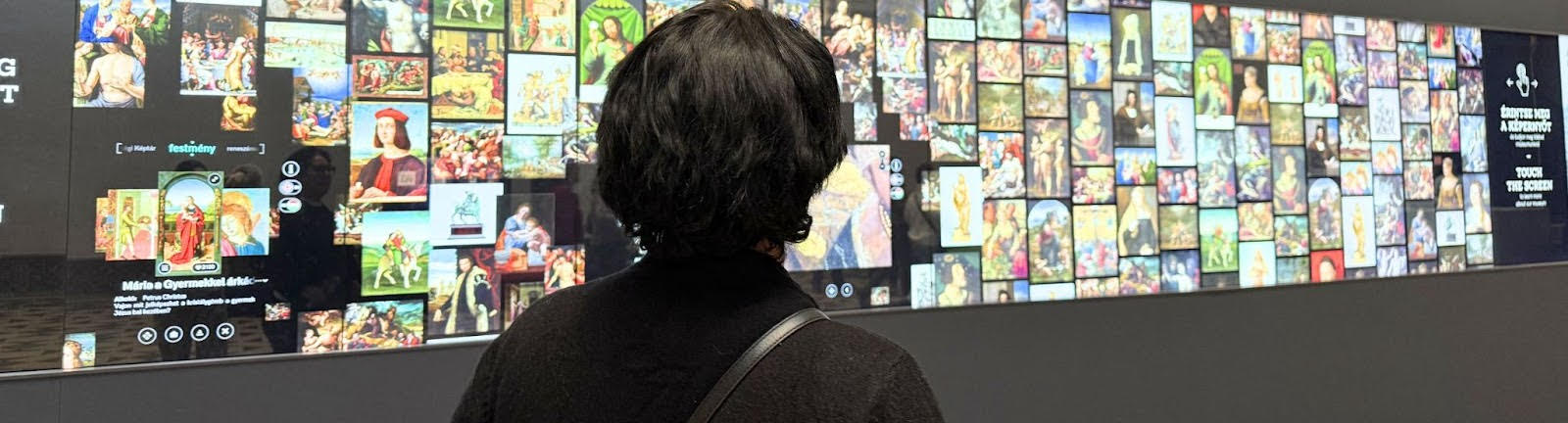
Collectors now have access to digital tools that integrate the artist’s voice into the experience of the artwork, expanding understanding during the acquisition process. These tools broaden the reach of art and redefine the ways collections are built today.
Towards a Collection
The growth of the art market and the expansion of its channels have also transformed the way collections emerge. Today, building a collection depends not only on access, but on the ability to identify works that speak to one another and contribute to a coherent vision.
Collecting contemporary art involves developing an ongoing relationship with artworks, where each acquisition responds to a logic that unfolds over time. This logic may be shaped by conceptual affinities, formal interests, or a sustained engagement with an artist’s practice.
Over time, artworks cease to function in isolation and begin to establish relationships with one another. Correspondences, tensions, and recurring themes emerge, revealing an underlying structure. It is at this point that a collection begins to take shape.
The Relationship with the Artist
In contemporary art, an artwork is rarely understood in isolation. It forms part of a broader practice, a process, and an ongoing line of inquiry developed by the artist over time.
Within this context, the relationship with the artist becomes central to collecting. Understanding how a work is created—what decisions shape it, what references inform it, and what questions give rise to it—allows the work to be situated within a trajectory and its place within the art ecosystem to be understood.
This dimension has become increasingly significant as access to art has expanded. In a broader and more diverse market, understanding an artist’s process provides greater clarity, context, and discernment.
The opportunity to access the artist’s voice—to hear how they think, create, and approach their work—enriches the experience of the artwork. It introduces an additional layer of understanding that transforms the way a work is perceived and integrated into a collection.
In this sense, the relationship with the artist is not merely complementary; it is an essential component of an artwork’s value within contemporary collecting.
Collecting in Transformation
Contemporary collecting unfolds within an environment where access, information, and exhibition formats continue to expand. Collecting art increasingly involves an approach grounded in understanding, context, and continuity.
This transformation incorporates digital platforms that bring artists and collectors closer together, integrating the artist’s voice, process, and context into the experience of the artwork. It reflects a recent evolution within the art ecosystem, where engagement with a work extends beyond its physical presence and embraces new forms of access, interpretation, and understanding.
Featured
On View
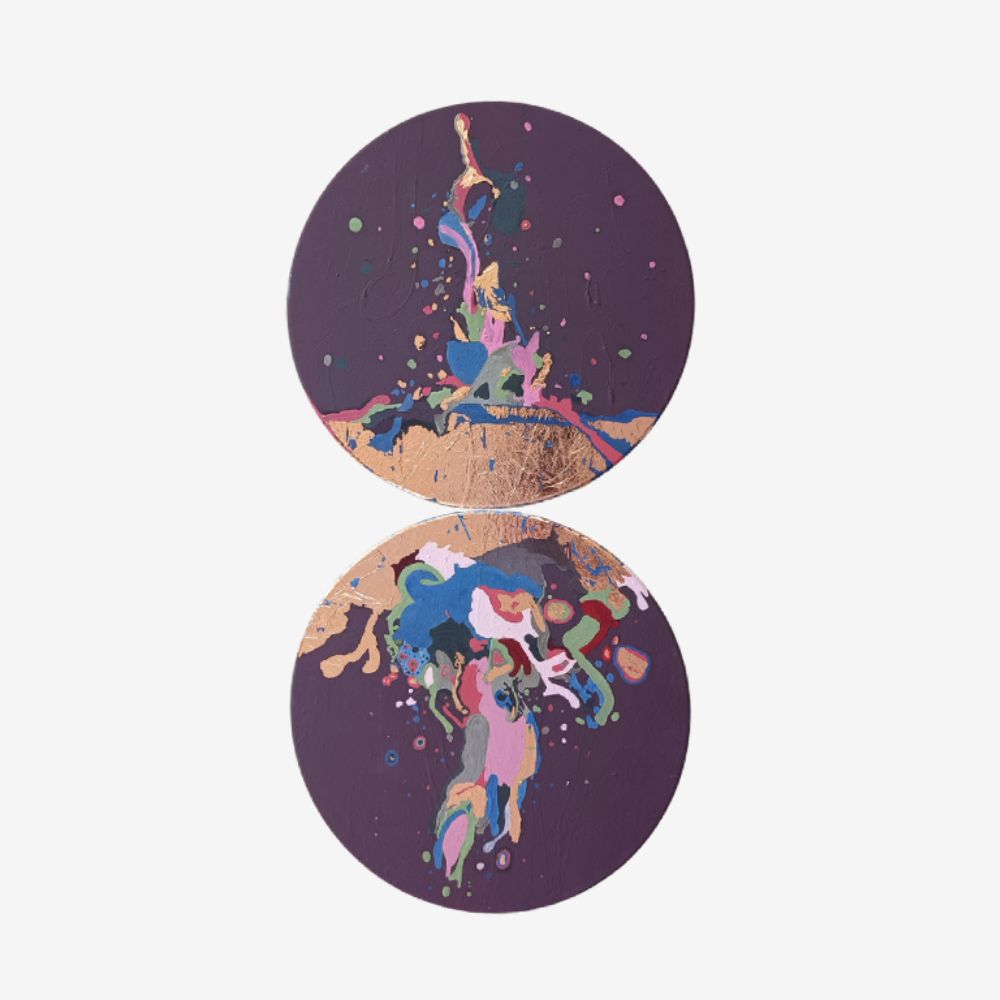
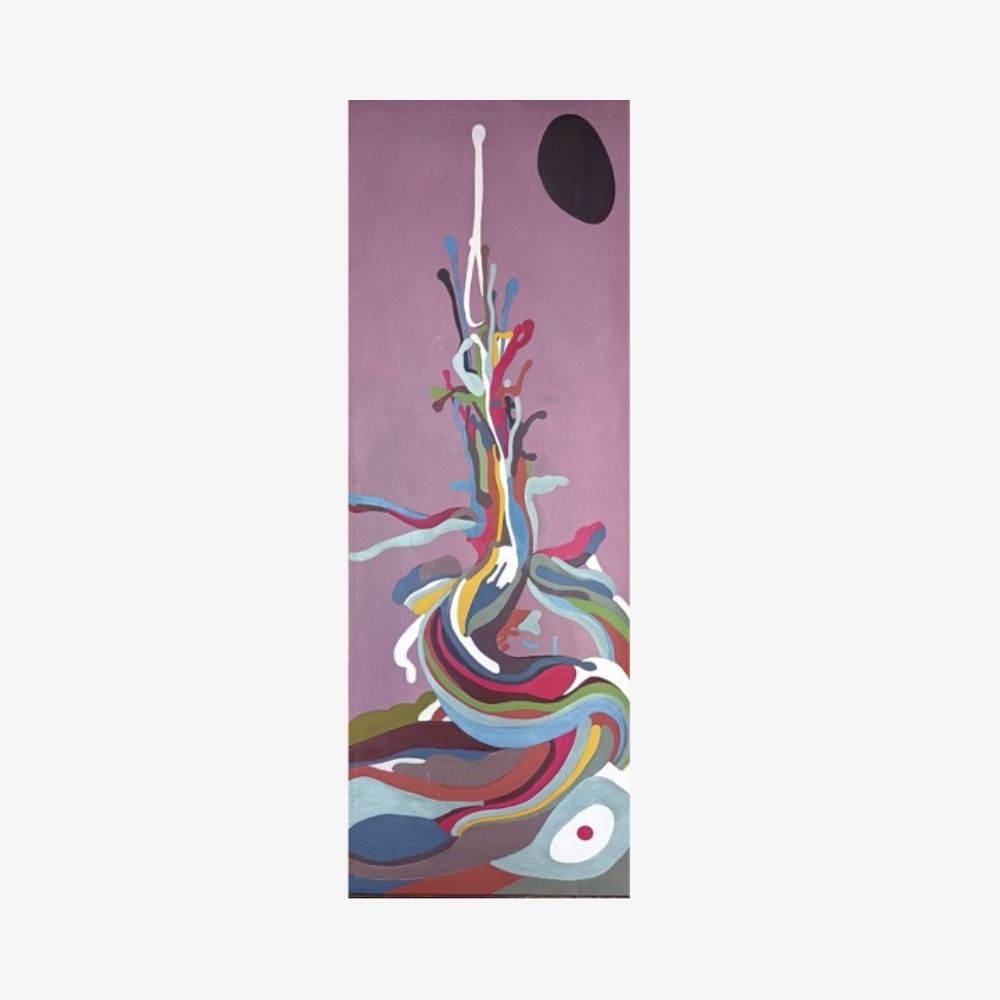
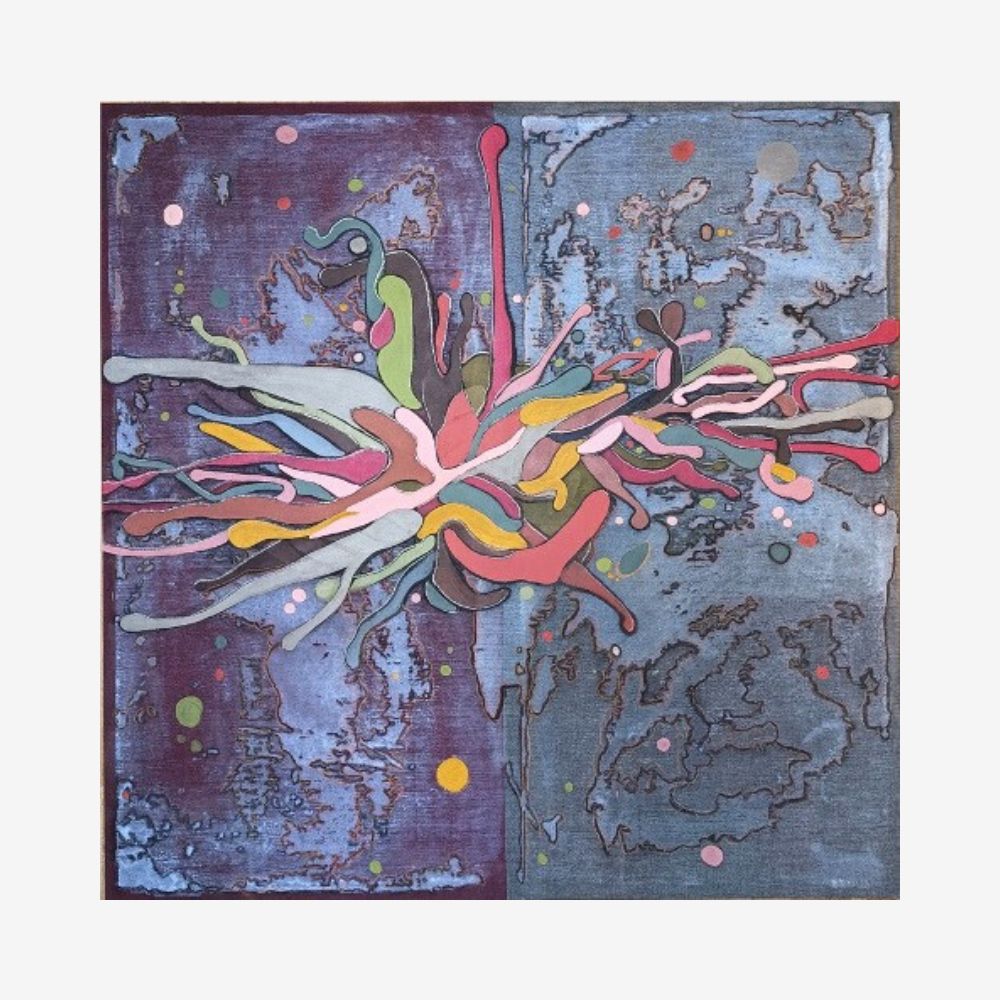
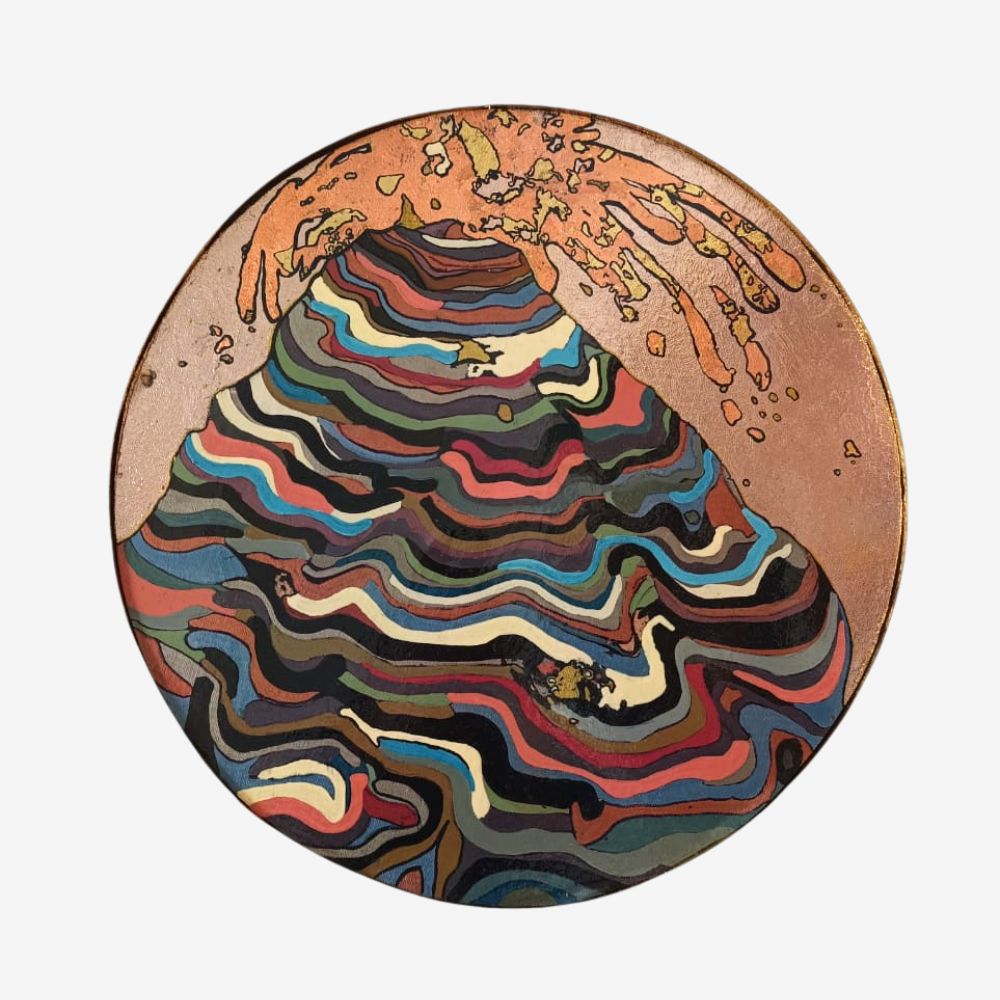
Miguel Chavira’s work is built through organic forms that evoke flows, trajectories, and movement. His practice draws from the study of cartographic, migratory, and fluvial maps, references that are translated into compositions suggesting territories in transformation—surfaces where line, color, and materials such as copper leaf, offset ink, and acrylic delineate pathways rather than fixed images.
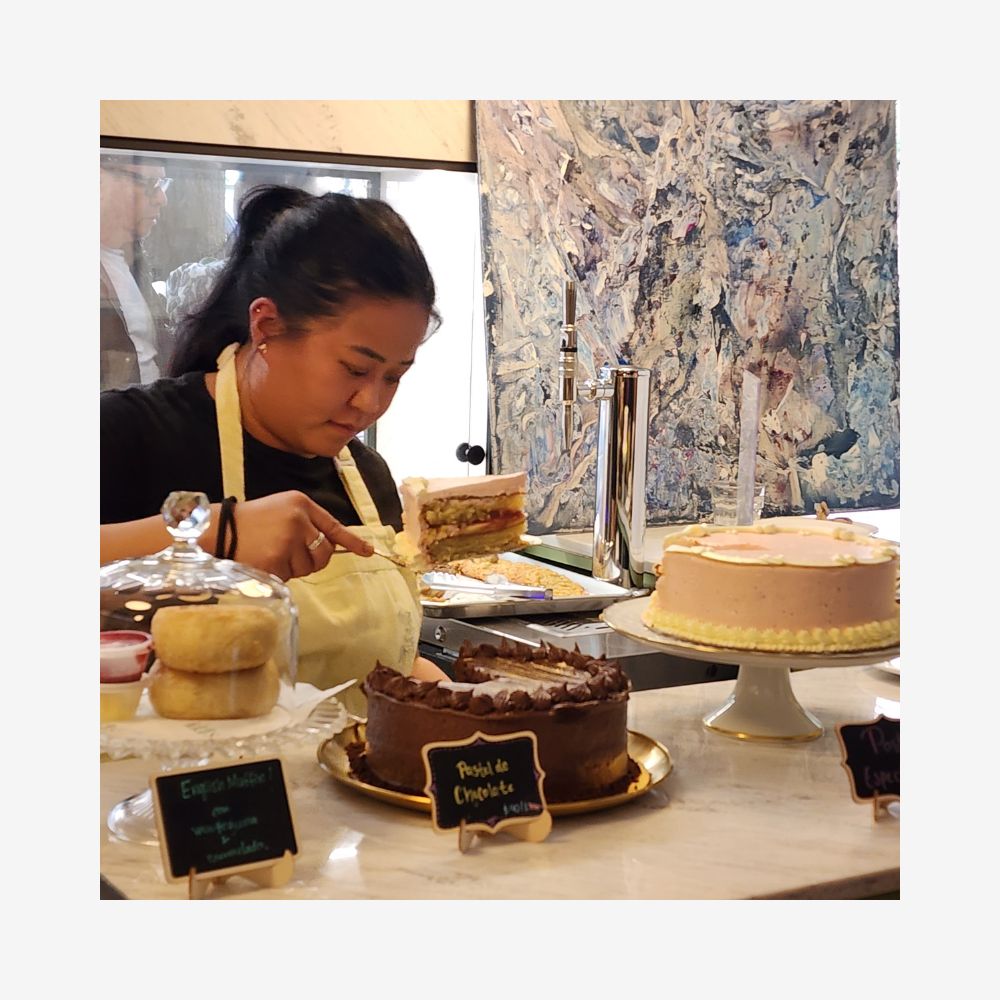
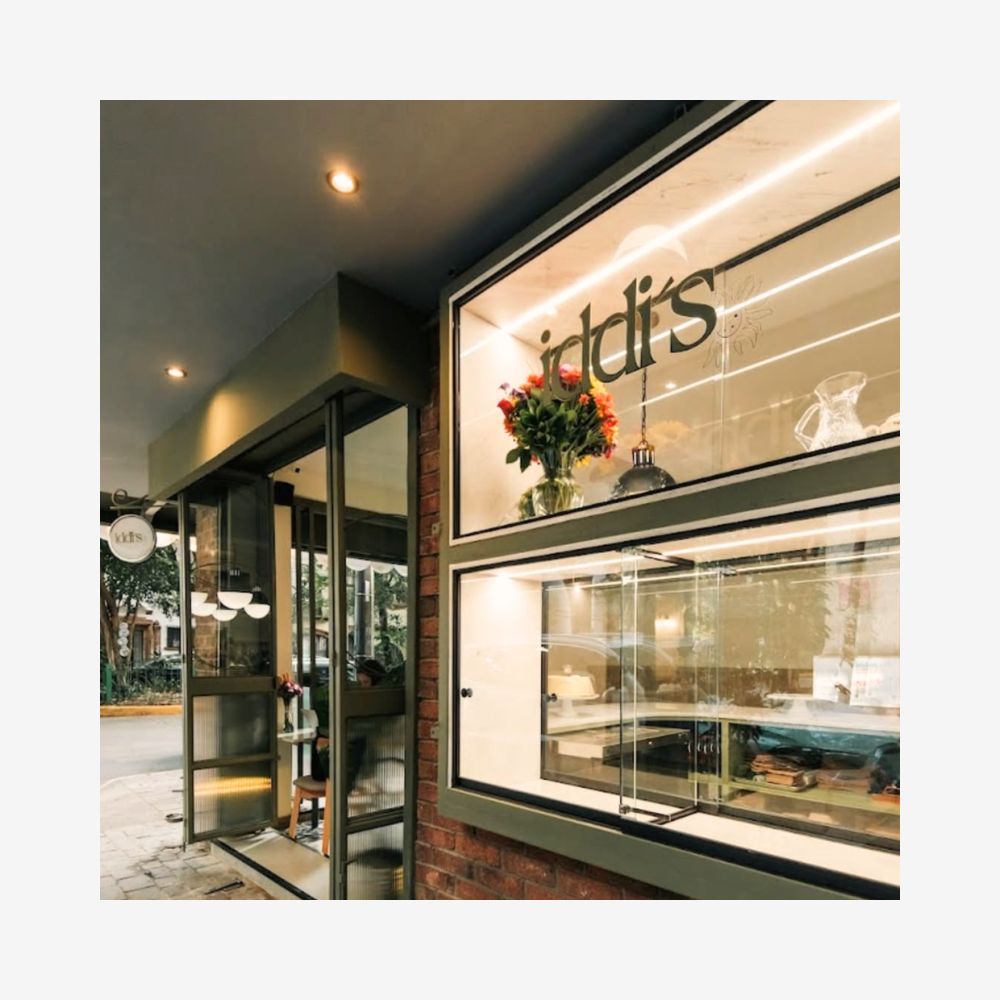
Presented at Iddis Bakery, the exhibition unfolds within a café and pastry atelier where the culinary concept engages in dialogue with the exhibition space. Under the direction of chef Michelle Catarata, recognized as Mexico’s Best Pastry Chef in 2024 and 2025, the setting acquires a sensory dimension that complements the experience of the artworks.
Each work is displayed alongside access to its accompanying video, offering visitors the opportunity to hear directly from the artist and gain insight into the process behind each piece.